

LittleBee Surrogacy: For Surrogates and Intended Parents
Explore your first surrogate journey—or another—with practical help for the life you already have.
- Your own independent lawyer
- Time to choose your match
- Night-time and urgent coordination


- $45,000–$85,000
- Base compensation for first-time surrogates
- More than 100
- Families supported through completed surrogacy journeys
As of September 30, 2026 - 13
- Fertility-center relationships
- About 5 a month
- Embryo transfers we coordinate
About LittleBee Surrogacy
Surrogacy has to fit into a life that already includes your own family and responsibilities. Our Arcadia, California team at LittleBee Surrogacy works with women considering a surrogate journey and with intended parents hoping to grow their families.
Medical decisions belong with your clinic, legal representation with your independent lawyer, and coordination with us.
Meet the LittleBee team.





Why Surrogates Choose LittleBee
The help you need may be quite specific: someone to follow an expense, arrange a visit or give you room to consider a match.
Your Lawyer, Your Choice
Your independent lawyer represents you alone. You can choose your own lawyer or select one from the independent lawyers we work with, then bring them the part of the arrangement you want explained before deciding how to proceed.
Coordination Beyond Office Hours
An on-call coordinator handles arrangements and communication at night and in urgent situations. If an appointment needs changing after hours, call or text the on-call number we give you when you sign your agreement.
Time to Consider Your Match

A video meeting lets you meet the intended parents before deciding. We can arrange English–Chinese interpreting and send a summary in both languages afterward, so you have something to return to while considering the conversation without pressure to answer immediately.
Help Following Up on Expenses

Agreed, reasonable expenses are reimbursed through a trust arrangement, with our coordinator following their progress. Keep the receipts or other proof needed for the cost. If you need help with a request, tell your coordinator which expense it concerns and what you have already sent.
Monitoring Closer to Home

When your treating IVF clinic agrees, we can arrange monitoring closer to home. For out-of-state screening and transfer visits, someone from our surrogate support team usually travels with you; if they can’t, a local partner companion meets you there. For other appointments, we support you by phone and video. Tell us where you would be traveling from, so the conversation starts with the visits and travel you would actually need.
Support You Can Choose

Peer groups are voluntary, confidential and not recorded. During the program, you can also request a referral for professional mental-health support at no cost to you. Whether you share those conversations with us is your choice; the peer groups are not therapy.
If you’re comparing agencies, use these questions to ask a surrogacy agency as a surrogate to prepare for a conversation about the help that matters to you.

Becoming a Surrogate
Your own history and household plans are the starting point for exploring whether to apply.
Starting With Your Experience
Our usual age range is 21–36, and a previous uncomplicated pregnancy and healthy delivery are an important starting point. If you’re outside that range, you can ask about individual review. Begin with surrogate requirements for the main considerations, or use the eligibility questions when a particular part of your circumstances makes you hesitate.
Understanding Your Base Compensation
Monthly base payments begin the month after the baby’s heartbeat is confirmed; expense reimbursements are separate from that base. Our surrogate compensation page explains the parts of the payment arrangement, while the monthly payment guide helps you think about when that money could fit into your household plans.



Application and screening.
Share your initial information, then prepare for review of pregnancy records, medical evaluation and psychological preparation.
Finding a match.
Consider a possible family and the expectations you would share during pregnancy. This is where both sides decide whether they want to move forward together.
Legal and medical preparation.
Your independent lawyer reviews the agreement, and your clinic completes the medical preparation needed before treatment begins.
Transfer and monitoring.
Follow the clinic’s embryo-transfer plan. Early monitoring includes laboratory tests and ultrasound visits; your clinic confirms when regular obstetric care takes over.
Pregnancy.
Continue prenatal care and prepare for the birth with the people involved. Include plans for the help your own household may need alongside the arrangements for the intended parents.
Birth and recovery.
Your maternity team continues your care after birth. We coordinate your recovery separately from intended-parent matters, so the arrangements for each household have their own attention.
For what can change the waiting between stages, read the surrogacy timeline.
Our Fertility Partners
Knowing the treating center helps you picture where care would happen. These relationships support journeys for surrogates and intended parents; each clinic makes its own screening and treatment decisions.
- HRC Fertility

- Los Angeles Reproductive Center

- Pacific Fertility Center Los Angeles

- Reproductive Fertility Center

- RMA Southern California

- Western Fertility Institute

- Southern California Reproductive Center
- Cedars-Sinai Fertility and Reproductive Medicine

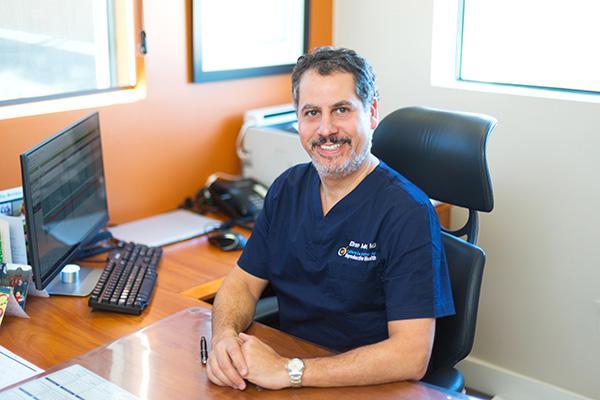
Eliran Mor, MD
California Center for Reproductive Health (CCRH)

Peyman Saadat, MD, FACOG
Reproductive Fertility Center (RFC)

Bradford A. Kolb, MD, FACOG
HRC Fertility

Gary Hubert, MD
Fertility & Surgical Associates of California (FSAC)
Surrogacy for Intended Parents
We also work with U.S. and overseas intended parents, helping with the surrogate search and coordinating arrangements at each stage.
The centers above are part of that work; tell us if you already have a treating clinic or embryos. For matching calls, we can arrange English–Chinese interpreting, with a written summary afterward. Tell us your preferred language and local time zone. For the journey funds, we use an attorney’s trust account.
Getting Started
You’re comparing agencies for the first time and want to see who handles each part of the journey.
Planning Your Budget

You’re deciding what you can plan for and need to understand the costs involved in surrogacy.
Your Clinic and Embryos
You have embryos or need donor support and want to discuss your fertility preparation.
Growing Your Family as a Gay Couple

You’re a gay couple considering family-building choices and the help you need.
Start with what you already have in place and the part you would like help understanding.
Contact LittleBee
Guides for Surrogates
Answers to common questions about work, travel, health and life during a surrogate journey.
-

How Much Travel Is Required for Surrogacy?
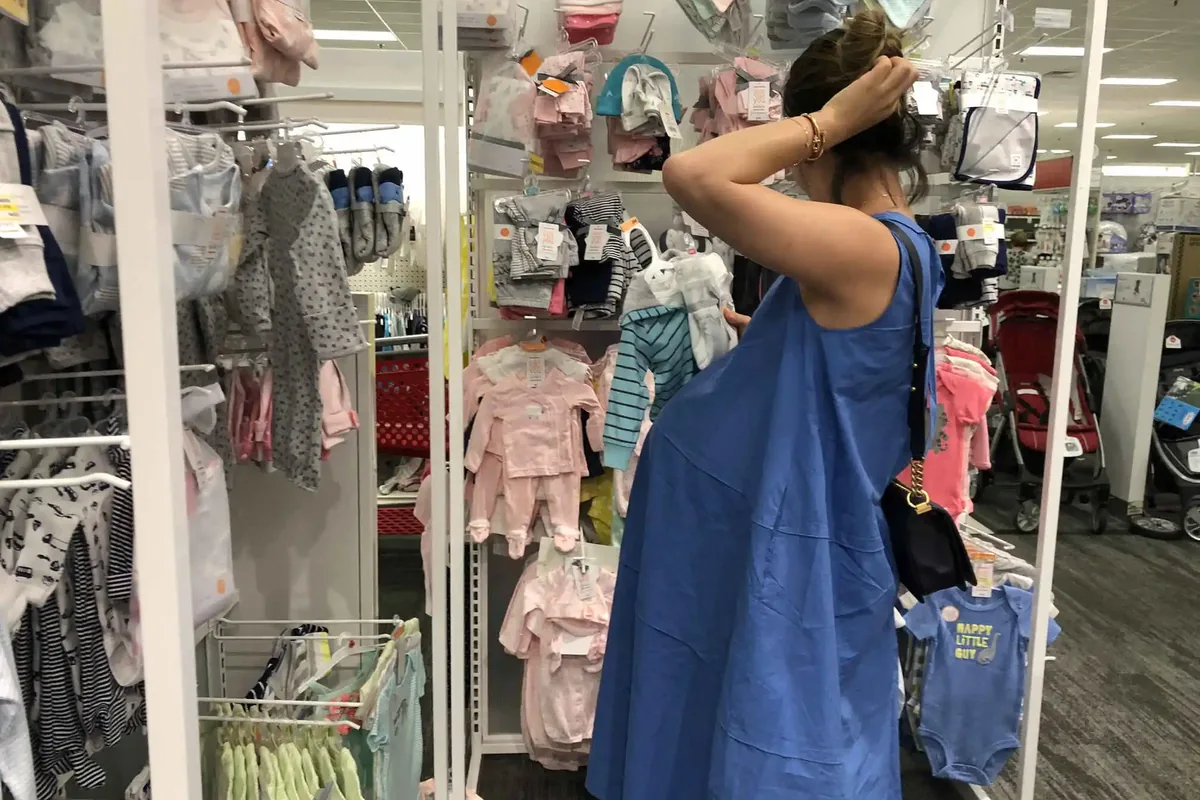
Read the travel guide when you are deciding how time away for appointments could fit around your children, work and the help you have at home.
-
Can You Work While Being a Surrogate?
Read the work guide when you are weighing appointments and recovery against your shifts and deciding what you would need to discuss at work.
-

Questions to Ask Intended Parents Before You Match
Read the matching questions when you are preparing to meet intended parents and deciding which expectations you need to discuss before choosing a match.
-

Postpartum Support for Surrogates: What to Ask Before Birth
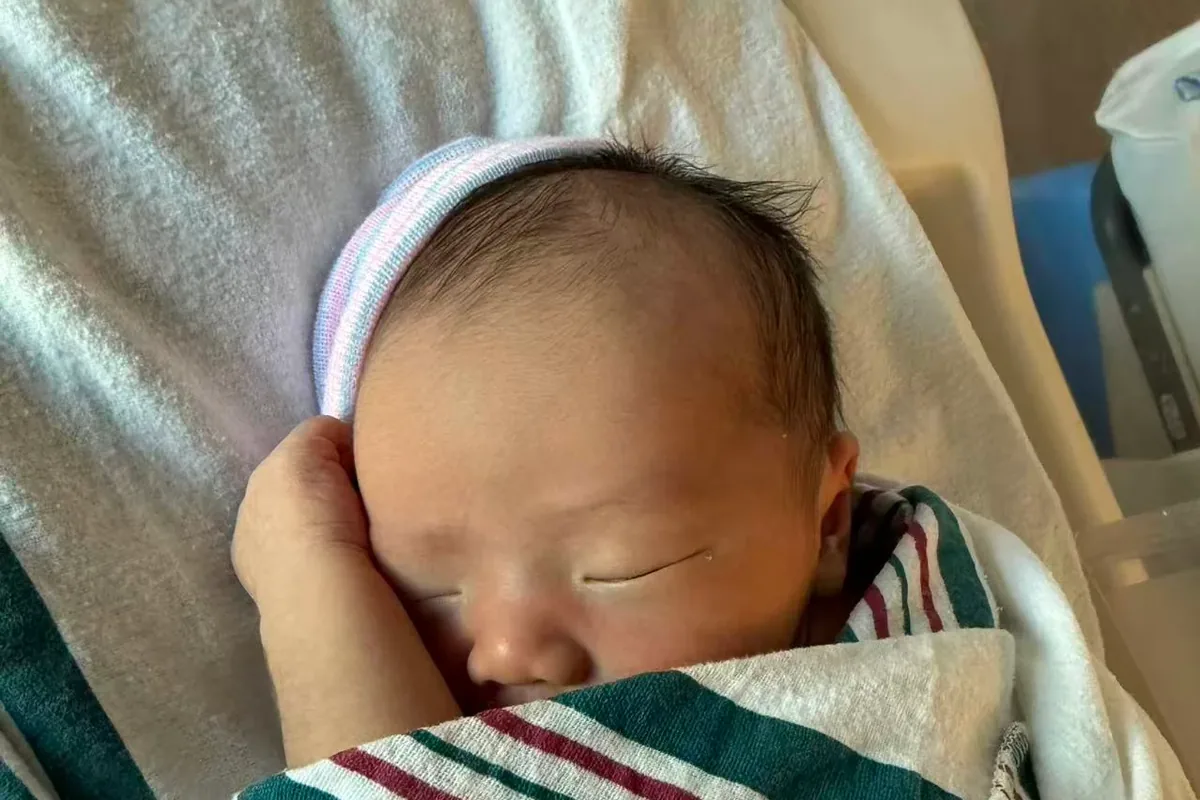
Read the postpartum support guide before birth when you are thinking through who would help at home and whom to call about follow-up care.
-
Why Your Health Insurance Is Reviewed Before Surrogacy
Use the insurance review guide when you are gathering coverage questions or trying to understand a medical bill that has reached your household.
-
What Medications Do Surrogates Take—and Will You Need Injections?
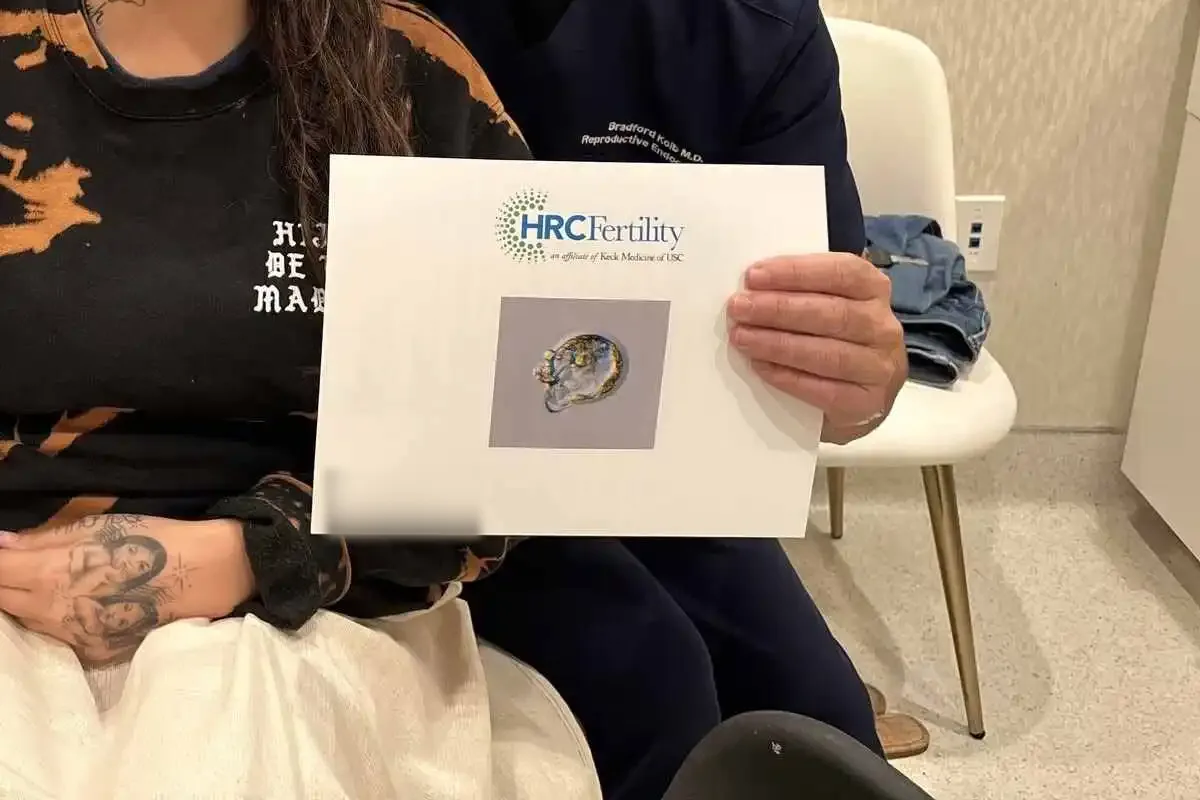
Use the medication guide when the possibility of injections makes you hesitate, and bring the concern you most want explained to your clinic.
Frequently Asked Questions
Would the baby be genetically related to me?
In gestational surrogacy, your own egg is not used, so you are not the baby’s genetic mother. The embryo comes from eggs and sperm provided by the intended parents or donors; carrying the pregnancy is your part of the arrangement.
Could I qualify after a C-section?
A past C-section does not settle the answer by itself; your pregnancy history and the clinic’s review matter. Bring the details of the birth and recovery you want considered, rather than trying to decide from a delivery count alone. The surrogate requirements page explains where birth history fits into that review.
Does my partner need to be involved?
A spouse or legally recognized domestic partner should be involved in discussing the arrangement, as ASRM’s ethical guidance recommends; the decision to become a surrogate remains yours. Talk about the effect on your children and household, including worries either of you has. See family considerations during a surrogate journey for a starting point for that conversation.
Could I keep working during the journey?
Continuing to work depends on your job and the care instructions you receive. Consider how appointments and recovery could fit your shifts, what flexibility you would need and whom you would speak with at work about it. For the visits you would be planning around, read How to Become a Surrogate.
What risks should I understand before deciding?
Carrying a pregnancy involves health risks, and surrogacy can also affect your feelings, relationships and home life. Discuss the physical, psychological and social risks with the professionals assessing your situation before deciding whether you want to continue. Our surrogacy risks guide helps you identify the concerns you would want explained for yourself.
Talk With Vivi
I’m Vivi, a Client Service Manager at LittleBee, with 13+ years in surrogacy and experience working with 720+ families. Tell me what you’d like to know about surrogacy.
Apply to Be a SurrogateCall (909) 234-1188. If you apply or message us online, we’ll reply within one business day; weekend messages get an answer the next business day.
Office: 150 N Santa Anita Ave, Arcadia, CA 91006.