Donor sperm may be used to create embryos for a gestational-surrogacy journey. The donor provides sperm, a fertility clinic creates the embryo through IVF, and a gestational surrogate may later carry the pregnancy. These are separate roles managed through separate medical, consent, legal, and coordination steps.
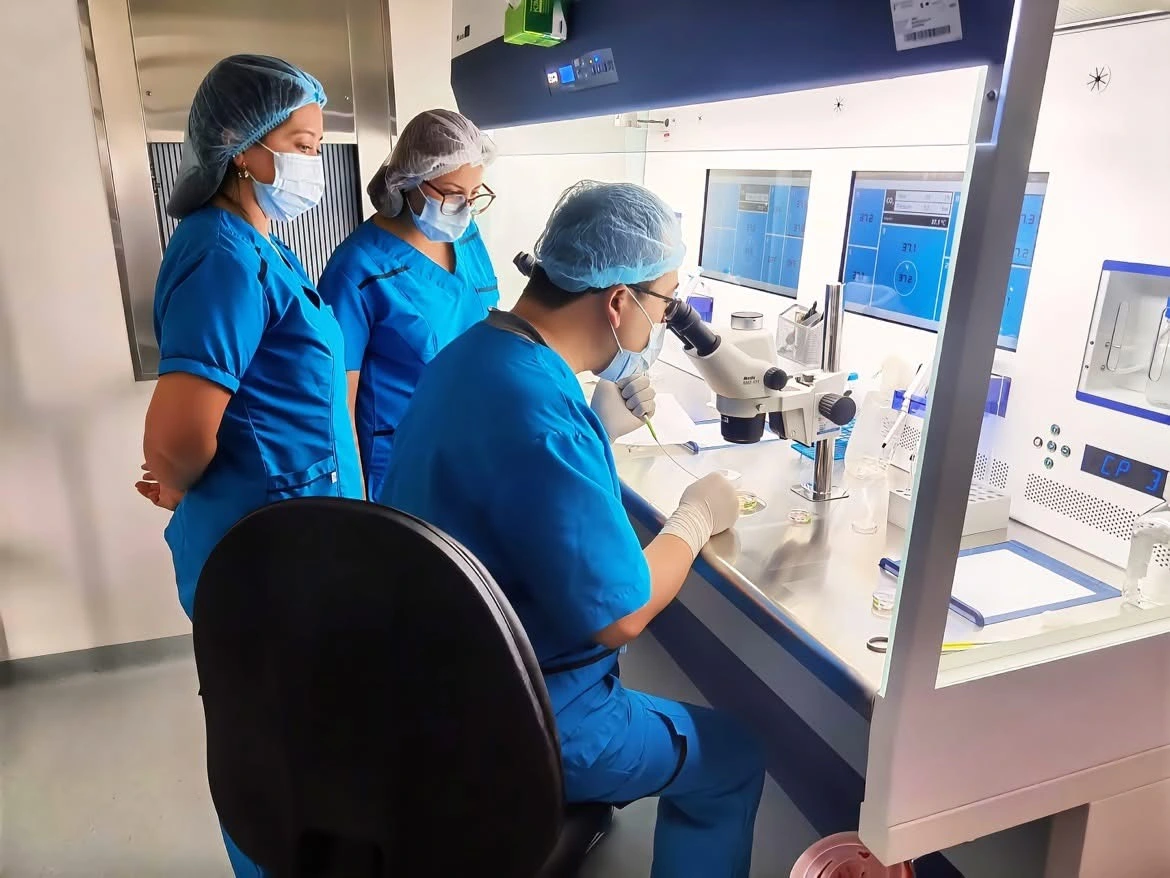
For intended parents, the most useful first question is not “Which donor profile do we like?” It is “What does our clinic require before it will use this donor source?”
Where donor sperm fits in the process
Evan and Leo plan to use eggs from a donor and sperm from one partner. They begin looking at sperm-bank profiles before selecting a fertility clinic. The clinic later explains that it must review the sperm source, screening records, and shipping process before treatment.
They pause, confirm the clinic’s requirements, then finalize the donor-sperm plan. That small change in order prevents them from reserving material the clinic might not accept.
The larger sequence may look like this:
- Choose or confirm a fertility clinic.
- Discuss whose sperm will be used and whether donor sperm is needed.
- Review donor-bank, known-donor, testing, counseling, and consent requirements.
- Create embryos through IVF.
- Plan surrogate matching around embryo readiness.
- Complete surrogate screening, legal agreements, insurance review, escrow, and medical clearance.
- Schedule an embryo transfer when all professionals approve moving forward.
Sperm bank or known donor?
Sperm bank
A sperm bank may provide donor profiles, testing records, storage, and shipping procedures. Ask whether your fertility clinic accepts the bank and which type of donor information is available now or in the future.
Known donor
A friend or relative may be considered as a known donor. Clinics often require their own medical screening, counseling, consent, quarantine or timing procedures, and records. Separate legal advice is especially important because personal relationships do not replace clear agreements.
Neither route is automatically better. The right route is the one that the intended parents understand, the clinic accepts, and the professionals can document clearly.
Questions to ask before selecting donor sperm
- Does our clinic accept this sperm bank or known-donor arrangement?
- What infectious-disease and genetic screening is required?
- What identity-release or future-contact options are available?
- How many vials may be needed for the planned treatment?
- How are storage and shipping handled?
- What happens if additional material is needed later?
- What counseling or consent steps are required?
- What records may be available to a future child?
- Does using donor sperm change any legal or parentage planning?
The clinic should explain medical suitability and treatment. An independent attorney should explain legal rights, consent, and parentage.
Can donor sperm and donor eggs both be used?
Yes. Some families create embryos using both donor eggs and donor sperm. Others use sperm from one intended parent and donor eggs, or eggs from one intended parent and donor sperm.
The resulting embryo is not genetically related to the gestational surrogate. Read whose egg is used in surrogacy for a simple explanation of the possible egg sources.
How this affects surrogate matching
The use of donor sperm does not change the basic principle of matching: the surrogate and intended parents both need enough information and time to decide whether the relationship feels right.
It may affect:
- when embryos are ready;
- what the fertility clinic needs before transfer;
- which facts are relevant to medical review;
- how intended parents describe their family-building story; and
- what legal documents are needed.
It should not be used to pressure either side into a fast match. A stable plan gives the surrogate clearer expectations and gives intended parents more confidence in the timeline.
What LittleBee can coordinate
LittleBee can help intended parents connect the donor-sperm and surrogacy timelines, communicate with an existing clinic, organize matching, and coordinate with independent professionals.
LittleBee does not operate a sperm bank, select donors, perform medical screening, recommend treatment, or provide legal advice.
If your embryo plan is still developing, review our fertility and donor support page. If embryos are ready, our guide explains how surrogate matching works.
Questions intended parents often ask
Can we buy donor sperm before choosing a clinic?
You can research options, but confirm clinic acceptance before making a nonrefundable purchase. Clinic requirements can affect donor source, testing, storage, and shipping.
Can sperm from two intended parents be used in one IVF cycle?
Some families ask whether separate groups of eggs can be fertilized with sperm from different intended parents. A fertility specialist must explain whether that is medically appropriate and how embryos and records would be managed.
Does the surrogate need to know whose sperm was used?
The medical team and attorneys determine which information is relevant to informed consent, records, and the agreement. Personal donor details may remain private based on the arrangement.
Does donor sperm make the legal process harder?
It can add consent and parentage questions, but difficulty varies by family structure, donor type, and state law. Independent reproductive-law counsel should review the exact plan.