Using an egg donor and a gestational surrogate for two dads involves two separate roles joined by one embryo plan. The egg donor provides eggs used to create embryos. The gestational surrogate carries an embryo and, in gestational surrogacy, does not provide the egg.
These are two people, not two parts of one service. Keep each consent path clear.
Each path has separate screening, counseling, consent, records, and legal work. The clinic connects them medically. Independent attorneys connect donor intent, the carrier agreement, and parentage.
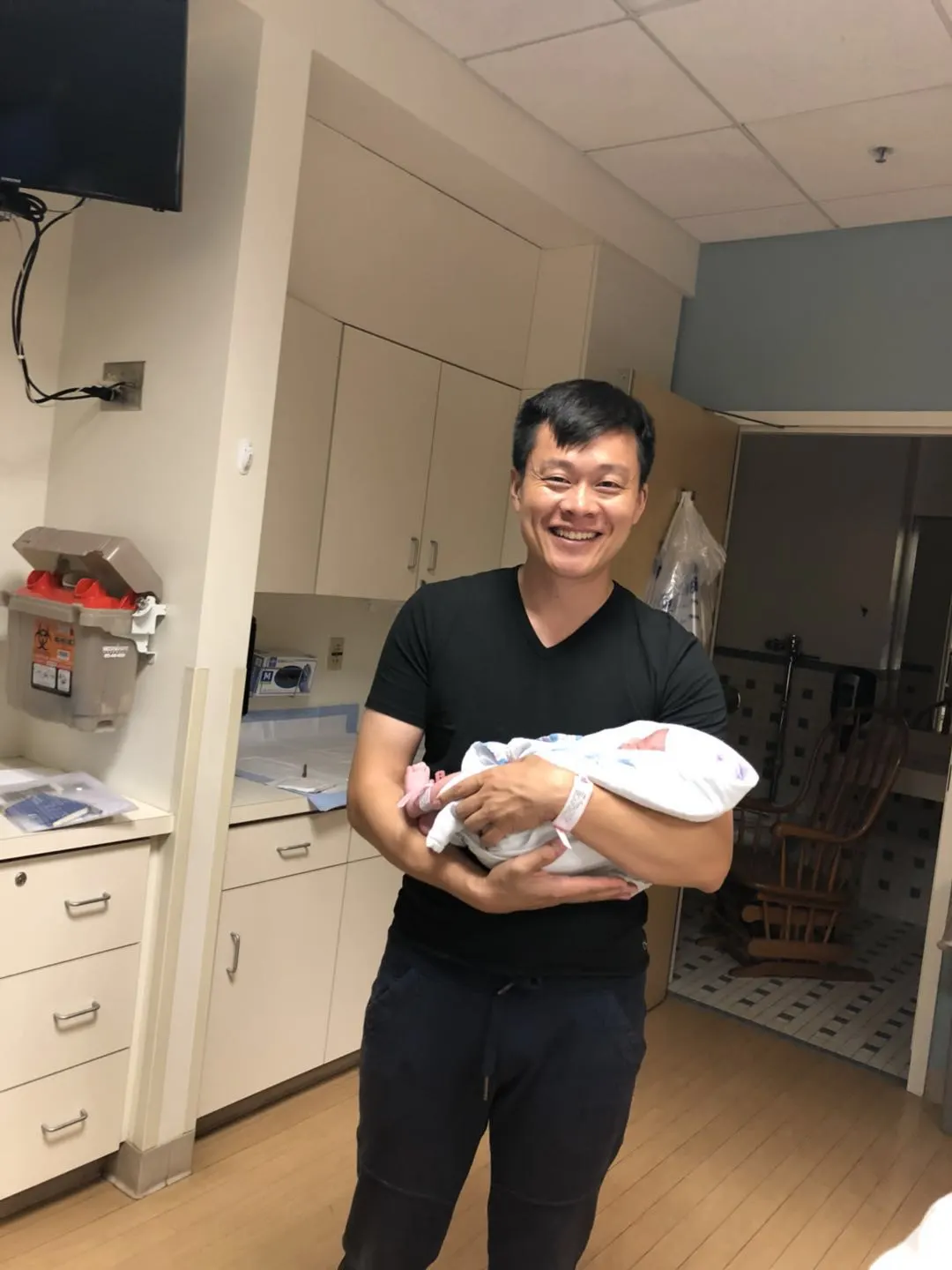
How do the two paths connect?
Noah and Gabriel first contacted a surrogacy agency because they wanted to begin matching. They had not chosen a clinic or egg source. Their coordinator mapped a donor path and a surrogate path. The two paths met at embryo readiness and the clinic’s transfer plan, but they did not need to start together.
See How Egg Donation and Surrogacy Connect
Step 1: What should the clinic plan first?
The fertility clinic should explain what testing each intended father needs and what it requires from an egg donor and gestational surrogate. If both fathers may provide sperm, the laboratory may be able to create separate embryo groups. One embryo still comes from one egg and one sperm.
Ask first. Then set the lab plan.
Noah and Gabriel asked the clinic to explain:
- medical and genetic-history review for each sperm provider;
- whether more testing or counseling was recommended;
- how available eggs might be allocated;
- how each embryo group would be labeled and stored;
- what would happen if results differed; and
- which consents were needed before fertilization.
They made no promise that each group would produce the same number of embryos. Laboratory results do not measure either father’s place in the family.
Can Two Dads Use Sperm From Both Partners?
Step 2: How do you select an egg path?
Eggs may come from a directed donor known to the family, a nondirected donor recruited through a program, or a frozen egg bank. The clinic should confirm which sources and records it accepts before money becomes nonrefundable.
That check should come before payment.
ASRM’s 2024 guidance covers medical history, examination, infectious-disease testing, genetic review, and counseling for oocyte donation. It uses “nondirected” rather than promising anonymity because consumer DNA databases have made lasting anonymity less certain.
Noah and Gabriel compared identity-release terms, medical-update systems, family history, and clinic acceptance before personal preferences. They saved the version of the donor profile and terms that applied on the purchase date.
Use the Egg Donor Selection Checklist
Step 3: What belongs in donor counseling and legal work?
Medical screening does not answer every family question. Identity, contact, records, genetic relatives, and new health information also need attention.
Ask the donor program and qualified professionals:
- Who is the client of each counselor or attorney?
- Is the arrangement directed or nondirected?
- What identifying and nonidentifying information will the family receive?
- Can the child request more information later, and under what terms?
- How will a medical update move between the donor and family?
- Who controls unused eggs and embryos?
- What future use, storage, disposition, and sibling plans are permitted?
- Which state’s law applies to donor intent and parentage?
Noah and Gabriel’s donor agreement was completed before retrieval. Their attorney also reviewed how the donor document would be described in later surrogacy and parentage work.
Step 4: How are embryos created without promising a result?
With a fresh donor, the clinic coordinates medication, monitoring, retrieval, and fertilization. With frozen eggs, the laboratory warms a purchased or reserved group before fertilization. Each path has different timing and program terms.
No screening process can guarantee the number of eggs, fertilization, embryo development, implantation, pregnancy, or live birth. Ask the clinic for the decision points rather than a promised outcome.
Preserve:
- donor profile and consent records;
- medical and genetic screening summaries;
- retrieval or egg-lot records;
- sperm-source testing and consents;
- embryology and storage reports;
- identity-release and contact terms;
- donor agreement and clinic forms; and
- instructions for future medical updates.
These records may matter to a child long after the treatment portal closes.
Good records age well.
Step 5: When should an active surrogate match begin?
You can learn about surrogacy before embryos exist. Active-match timing depends on clinic policy, embryo readiness, donor timing, budget, and honest expectations. Noah and Gabriel prepared during embryo creation but waited for the clinic’s update before discussing transfer timing. Their match conversation covered communication, travel, privacy, prenatal testing, delivery, and future contact.
Prepare for Mutual Surrogate Matching
Step 6: What is the surrogate’s independent process?
ASRM recommends medical evaluation, psychoeducational work, legal counseling, and a joint session for gestational-carrier arrangements. The carrier and intended parents should each have independent legal representation.
The clinic decides whether the prospective carrier is medically eligible for treatment. A qualified mental health professional explores expectations and risks. Separate attorneys negotiate the gestational-carrier agreement. The clinic should receive legal clearance before treatment begins.
Noah and Gabriel’s carrier, Tasha, remained the sole source of consent for medical care involving her body. The donor agreement and embryo ownership did not give the intended parents control over Tasha’s treatment.
Who is responsible for each decision?
| Role | Main responsibility | What two dads should confirm |
|---|---|---|
| Fertility clinic and laboratory | Donor acceptance, testing, fertilization, embryos, carrier screening, and transfer | Records, timing, consent, labeling, storage, and medical limits |
| Egg-donor program or bank | Donor information, program terms, records, and coordination | What is included, identity terms, updates, and replacement rules |
| Egg donor | Participation under informed consent | Independent support, medical care, privacy, and agreed information sharing |
| Gestational surrogate | Pregnancy participation and consent to her own care | Matching expectations, support, separate counsel, and communication |
| Intended fathers | Family decisions, funding, records, and respectful teamwork | Sperm plan, donor path, equal parenthood, and future-child information |
| Independent attorneys | Donor terms, carrier agreement, and parentage | State law, document sequence, legal clearance, and post-birth work |
| Agency or coordinator | Education, matching, milestones, and communication | Scope, handoffs, and which professional owns each decision |
A donor program does not approve a surrogate. An agency does not approve donor tissue. The clinic does not give parentage advice.
How do you plan for equal parenthood?
If embryos are created with sperm from both fathers, the results may differ. If only one father provides sperm, the other father is not a lesser parent. Genetics can affect medical records and legal procedure without ranking family relationships.
Before transfer, Noah and Gabriel chose the language they would use with relatives and their child. They also assigned responsibility for donor updates and records.
Useful questions include:
- How will we describe the egg donor and gestational surrogate as different people with different roles?
- What information will our child be able to read later?
- How will we respond if embryo groups or treatment results differ?
- Does either father need an additional parentage protection?
- What contact, if any, do we hope to maintain with the donor and surrogate?
What questions come up most often?
Can the egg donor also be the surrogate?
That would not be gestational surrogacy as described here because the person carrying the pregnancy would also provide the egg. Traditional surrogacy raises different medical and legal issues. Ask the clinic and attorneys which arrangements are permitted and supported.
Should two dads choose an egg donor or a surrogate first?
Fertility planning and surrogacy education can overlap. Many families clarify the clinic and embryo plan before setting an active match timeline. Ask the clinic when it can screen a carrier and the agency what readiness it expects.
Does donor or carrier screening remove every risk?
No. Screening and counseling reduce or identify certain risks. They cannot guarantee egg quality, embryo development, pregnancy, health, or future relationships.
How do you connect the paths without collapsing the people?
Noah and Gabriel reached transfer with one shared timeline and several separate professional relationships. The donor was not treated as a profile, and Tasha was not treated as a medical vessel. Clear roles made coordination more human and more reliable.
LittleBee can coordinate the donor, embryo, matching, legal-clearance, and pregnancy milestones around the plans made by licensed professionals and the participants themselves.
Sources
- American Society for Reproductive Medicine: Gamete and Embryo Donation Guidance (2024)
- American Society for Reproductive Medicine: Recommendations for Practices Using Gestational Carriers (2022)
- American Society for Reproductive Medicine: Access to Fertility Treatment Irrespective of Marital Status, Sexual Orientation, or Gender Identity (2021)
- U.S. Food and Drug Administration: What You Should Know—Reproductive Tissue Donation