You may be able to become a surrogate after a C-section. The clinic will review how many C-sections you have had, why they were performed, the operative reports, recovery, time since delivery, other uterine surgery, and whether another pregnancy could raise placental or surgical risk.
The scar on your skin cannot answer those questions. The operative and delivery records can.
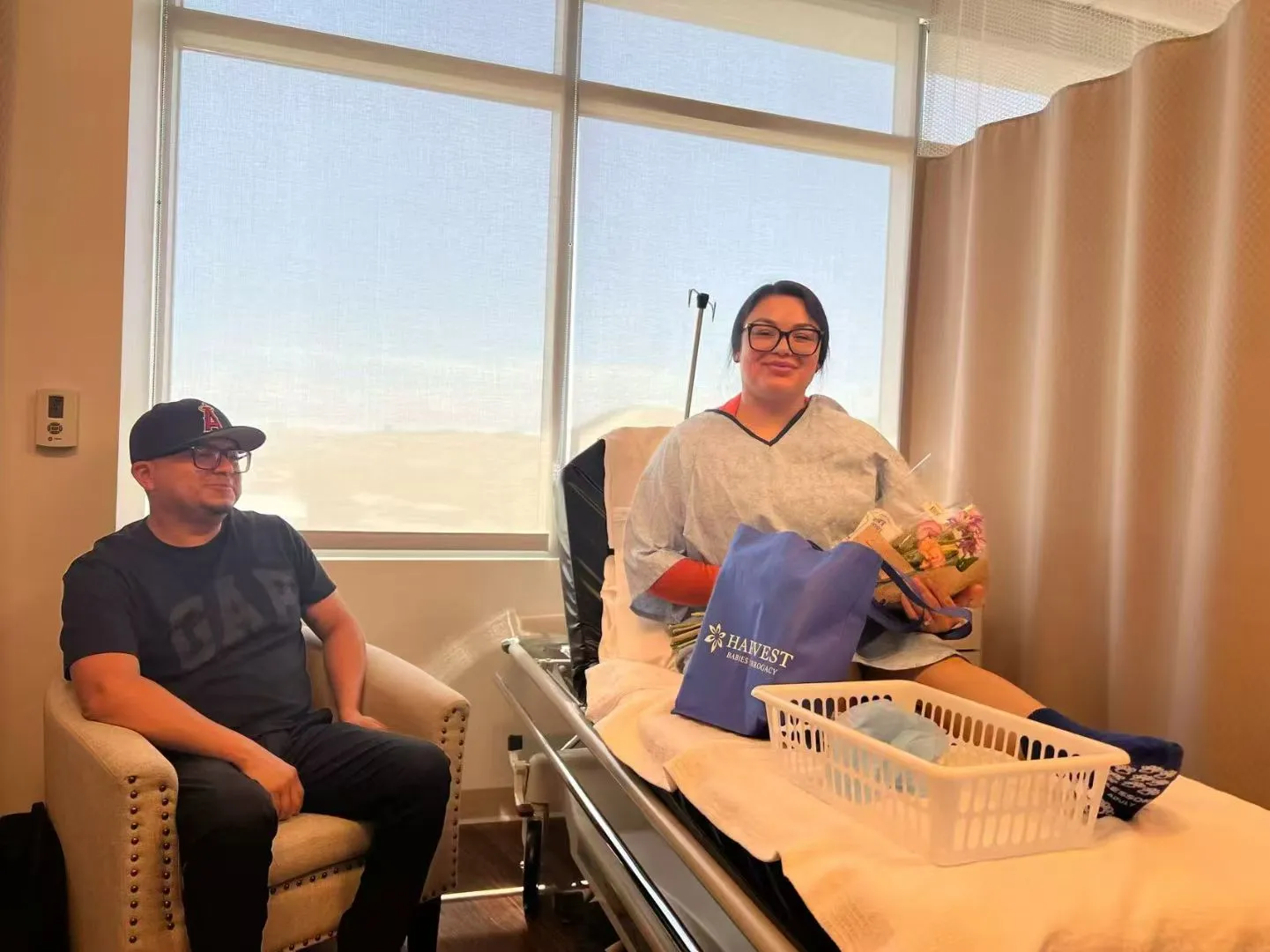
Kayla’s scar looked fine; the clinic still needed the report
Kayla had one planned C-section because her baby was breech. She recovered without infection and later returned to normal activity. She assumed that explaining “breech baby” would be enough.
The clinic requested the operative report and postpartum notes. It wanted to confirm the type of uterine incision, any surgical difficulty, blood loss, and recovery. Once the record arrived, the review moved forward.
Details the clinic may review
- Number of C-sections and total births.
- Reason for each C-section.
- Type of uterine incision and operative findings.
- Heavy bleeding, infection, transfusion, scar tissue, or other complications.
- Placental position or a history of abnormal placental attachment.
- Time since delivery and quality of recovery.
- Other uterine surgeries and current health.
ACOG notes that prior C-sections are an important risk factor in placenta accreta spectrum, especially with certain placental findings.1 This does not mean every prior C-section creates that condition.
Records to request
- Prenatal records.
- Labor and delivery summary.
- Full C-section operative report.
- Hospital discharge summary.
- Postpartum and wound follow-up.
- Records from every other pregnancy and uterine surgery.
Recovery time still matters
The clinic may require a minimum interval after delivery and complete weaning or postpartum recovery. ACOG recommends discussing pregnancy spacing and individual risks after a prior C-section.2
Do not rush another pregnancy because an agency has a match ready. Ask your own doctor about pain, numbness, bleeding, pelvic-floor concerns, mental health, and anything that did not feel fully resolved.
Picture the recovery your household would need
Kayla’s first C-section recovery was smooth, but she had only one child then. Before a surrogate journey, she pictured coming home with two children who still needed rides, meals, and help at bedtime.
She asked which childcare, lost wages, partner wages, meals, and household help the contract would cover after another C-section. This financial planning was separate from the medical decision about how she would deliver.
A previous easy recovery does not guarantee another one. Your plan should still work if driving, stairs, lifting, or work are limited longer than expected.
Common questions, answered
How many C-sections are allowed?
There is no universal number. Clinic policy and the details of every surgery and pregnancy matter.
Will I need another C-section?
Not always. Delivery planning depends on your history, clinician, hospital, pregnancy, and medical circumstances. Discuss it with the treating OB/GYN.
What if the hospital cannot find my operative report?
Ask for a written response and send any delivery summary, surgeon note, or postpartum record you have. The clinic decides whether the remaining information is enough.
One C-section is a question, not an automatic answer
Kayla’s operative report gave the clinic the facts it needed. Review medical records and C-section recovery compensation.