You can usually start a surrogate application while you have an IUD, but the IUD normally must be removed before medical clearance, cycle preparation, or embryo transfer. Do not remove it on your own schedule. Ask the fertility clinic when removal is needed and how long it wants to wait afterward.
An IUD does not automatically mean you are unqualified. The clinic still reviews your pregnancy history, current health, uterine evaluation, and the rest of its requirements.
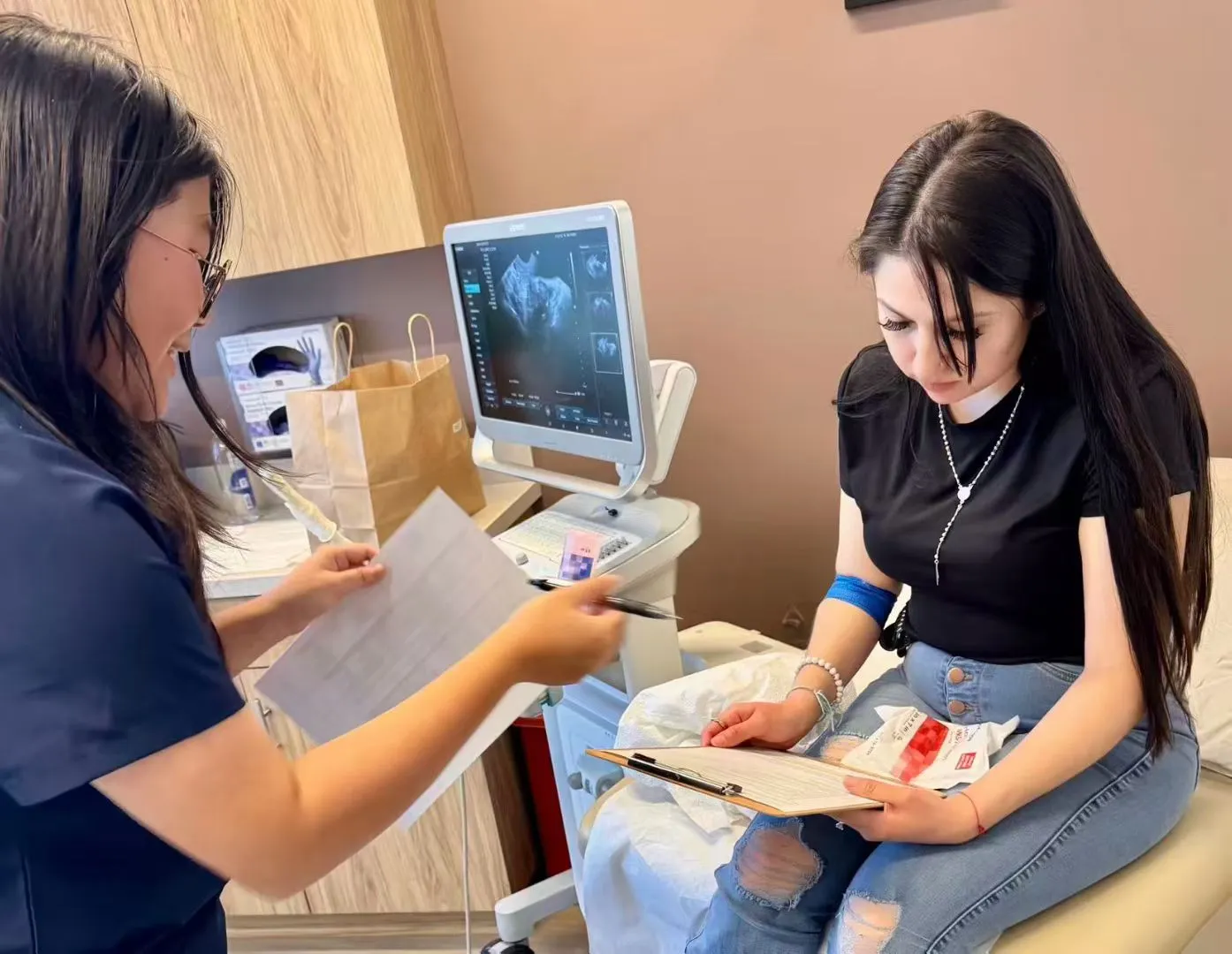
Marisol did not want a gap in birth control
Marisol had a hormonal IUD and two young children. She wanted to learn about surrogacy, but she was not ready to risk an unplanned pregnancy while waiting for screening.
She completed the first application and gathered her delivery records with the IUD still in place. When the clinic was ready to schedule medical screening, it gave her a removal window. She spoke with her own doctor and used the backup birth-control plan the medical team recommended.
The important part was not removing the IUD as fast as possible. It was coordinating the timing so she stayed protected and did not repeat appointments.
What happens in a typical sequence
- Ask whether the program accepts applications from women who currently use an IUD.
- Share the IUD type, insertion date, and any symptoms or complications.
- Complete the early application and record review.
- Wait for written timing instructions from the clinic.
- Have a qualified clinician remove the IUD.
- Use the birth-control plan required before treatment.
- Complete any follow-up exam, ultrasound, or cycle check.
ACOG explains that both hormonal and copper IUDs are long-acting reversible contraception and that a clinician removes them when pregnancy is desired.1 Surrogacy adds clinic-specific screening and treatment timing.
Questions to ask before removal
- Can I finish record review before the IUD is removed?
- Which appointment requires removal first?
- Does the clinic require one normal period or another waiting period?
- Which birth-control methods are allowed while I wait?
- Who pays for removal or a required follow-up visit?
- What happens if the removal is difficult or the strings cannot be found?
Do not make these three assumptions
“I should remove it before I apply.” That can create months without your preferred birth control. Ask first.
“My cycle will be ready immediately.” The clinic may want time, a period, or another evaluation. Requirements vary.
“An IUD is the only medical issue being reviewed.” Medical clearance still includes your full pregnancy and health history. ASRM recommends a complete medical evaluation for gestational-carrier candidates.2
Plan for the weeks between removal and treatment
Ask what may change after removal. Some women notice bleeding or cycle changes. Others feel no major difference. Keep the clinic informed if you have pain, heavy bleeding, a missed period, or a possible pregnancy.
Marisol put the clinic’s birth-control instructions on the shared calendar she used with her partner. That small step mattered. A natural pregnancy can cancel treatment plans and create serious legal and medical complications in a surrogate journey.
If the agency or clinic cannot yet give you a clear removal date, keep the IUD and continue learning. You should not have to trade reliable birth control for a rushed application.
Common questions, answered
Will an IUD hurt my chances of becoming a surrogate?
The fact that you use an IUD is not usually the main concern. The clinic cares about safe removal, uterine health, treatment timing, and your complete medical history.
Can screening happen before removal?
Some early screening can. An ultrasound or final clearance may require removal, depending on the clinic and IUD. Ask which steps can happen now.
What if I am not sure I want to continue?
Say so before removal. Learning about surrogacy does not require you to give up birth control before you are comfortable with the process and timing.
Keep control of the timing
Marisol moved forward without rushing a personal health decision. Start with the medical-screening overview, then read what to expect from surrogacy medications.