PCOS does not automatically disqualify you from becoming a surrogate. The fertility clinic will look at your past pregnancies, menstrual history, current health, blood pressure, blood sugar, medication, BMI, and whether you have other pregnancy risks.
The diagnosis alone cannot give you a yes or no. Your current health and actual pregnancy history matter more than the label.
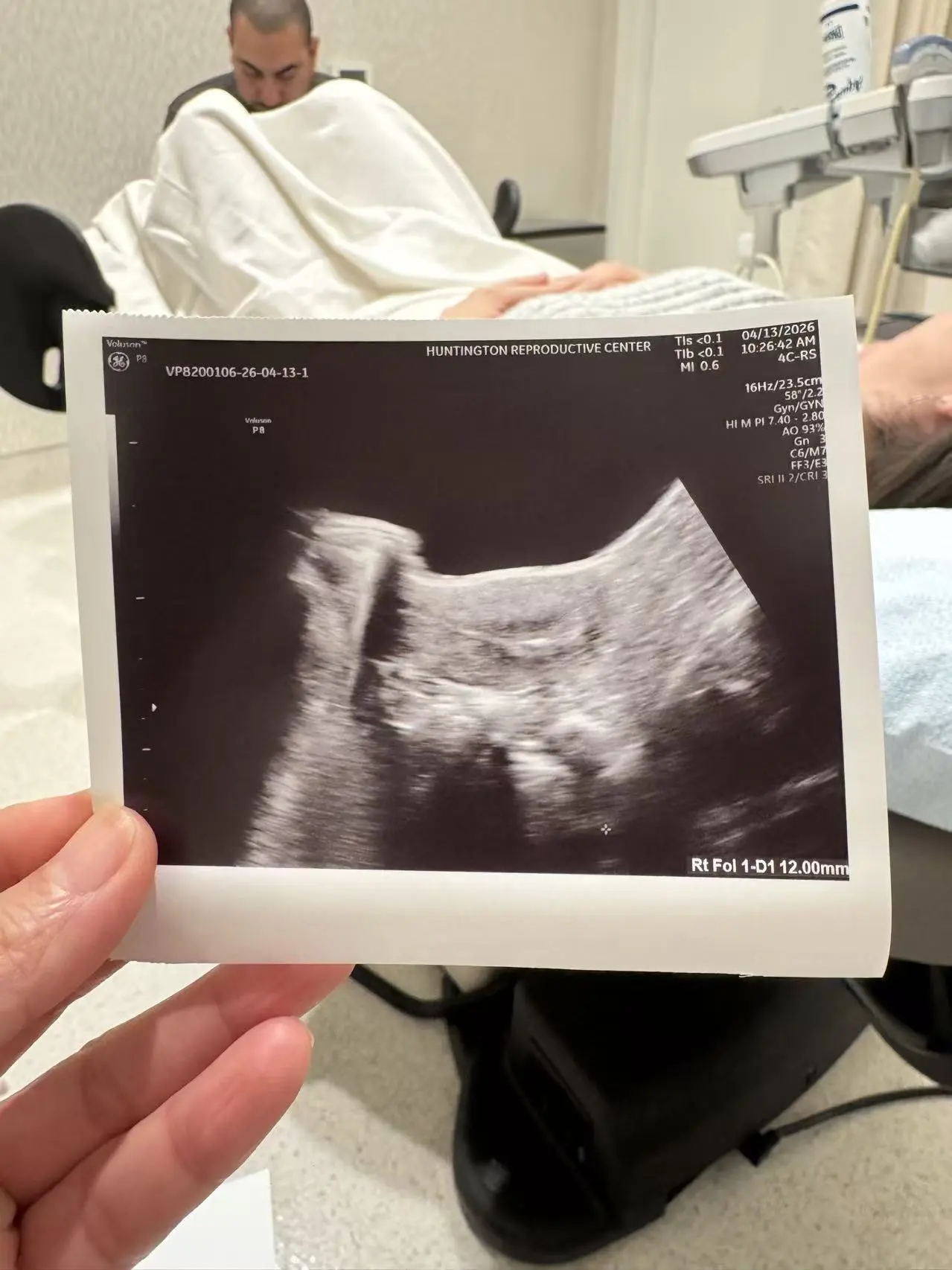
Daniela thought irregular periods meant an automatic no
Daniela was diagnosed with PCOS in her twenties. Her periods were irregular before she had children, but both pregnancies were uncomplicated. When she saw “regular cycles” on a screening form, she almost closed the page.
Instead, she shared the diagnosis, her pregnancy records, and her current medication. The clinic asked for recent lab work and wanted to understand her blood-sugar history. Her review took longer than she expected, but the delay was about gathering facts—not judging her body.
What the clinic is trying to understand
- Did you have healthy pregnancies and deliveries?
- Did you develop gestational diabetes or high blood pressure?
- Are your blood sugar, blood pressure, and other health concerns controlled now?
- Do you take medicine that needs review before pregnancy?
- Is there another condition that affects pregnancy risk?
- Does the clinic require a certain BMI or recent lab result?
ACOG notes that PCOS can involve irregular periods and metabolic concerns such as insulin resistance.1 That is why the clinic may ask questions that seem unrelated to your cycle.
Bring the records that answer the real question
- Prenatal and delivery records for every pregnancy
- PCOS diagnosis and treatment history
- Current medication and supplement list
- Recent primary-care or OB/GYN visit notes
- Any recent blood-sugar, A1C, blood-pressure, or other requested results
Do not stop medication or start a new diet only to change an application number. Ask your own clinician and the fertility clinic what is safe.
Possible answers—and what they mean
Cleared: the clinic accepts your current health and history. More information needed: a lab, note, or pregnancy record is missing. Pause: the clinic wants a condition treated or stable first. Not cleared: it believes another pregnancy carries too much risk under its standards.
A pause can feel like rejection. Ask for the exact reason, the result the clinic wants to see, and whether a later review is possible.
How to answer the application without overexplaining
Write the diagnosis, the medicine you take, and the names and dates of pregnancy complications. You do not need to diagnose yourself or prove that you are healthy in a comment box. The records and medical review will do that work.
Daniela used one sentence: “PCOS diagnosed in 2018; two full-term deliveries; gestational diabetes in neither pregnancy; current medication listed below.” That gave the coordinator a useful starting point and showed exactly which records to request.
If you do not know a date or result, say that you are requesting the record. A clear “I don’t know yet” is safer than a confident guess.
Common questions, answered
Do irregular periods prevent embryo transfer?
Not automatically. A medicated transfer cycle may be scheduled differently from a natural cycle. The fertility clinic decides which protocol is safe and appropriate.
What if I had gestational diabetes?
Share the full records, treatment, delivery outcome, and current blood-sugar status. PCOS plus a past complication may change the review, but the clinic needs details before deciding.
Can another clinic give a different answer?
Yes, clinics can use different thresholds and medical judgment. Always share the same complete history. A different decision does not make missing information safe to omit.
PCOS is part of the story, not the whole story
Daniela got useful answers when the conversation moved from “I have PCOS” to “Here is how my pregnancies and health actually went.” Review surrogate medical screening and the records clinics may request.