Yes, some women can become gestational surrogates after tubal ligation. In gestational surrogacy, an embryo is placed in the uterus, so the fallopian tubes are not used to create the pregnancy. The clinic still needs to review the surgery, your uterus, previous pregnancies, and your current health.
Tubal ligation does not automatically approve or disqualify you. It answers only one part of the medical history.
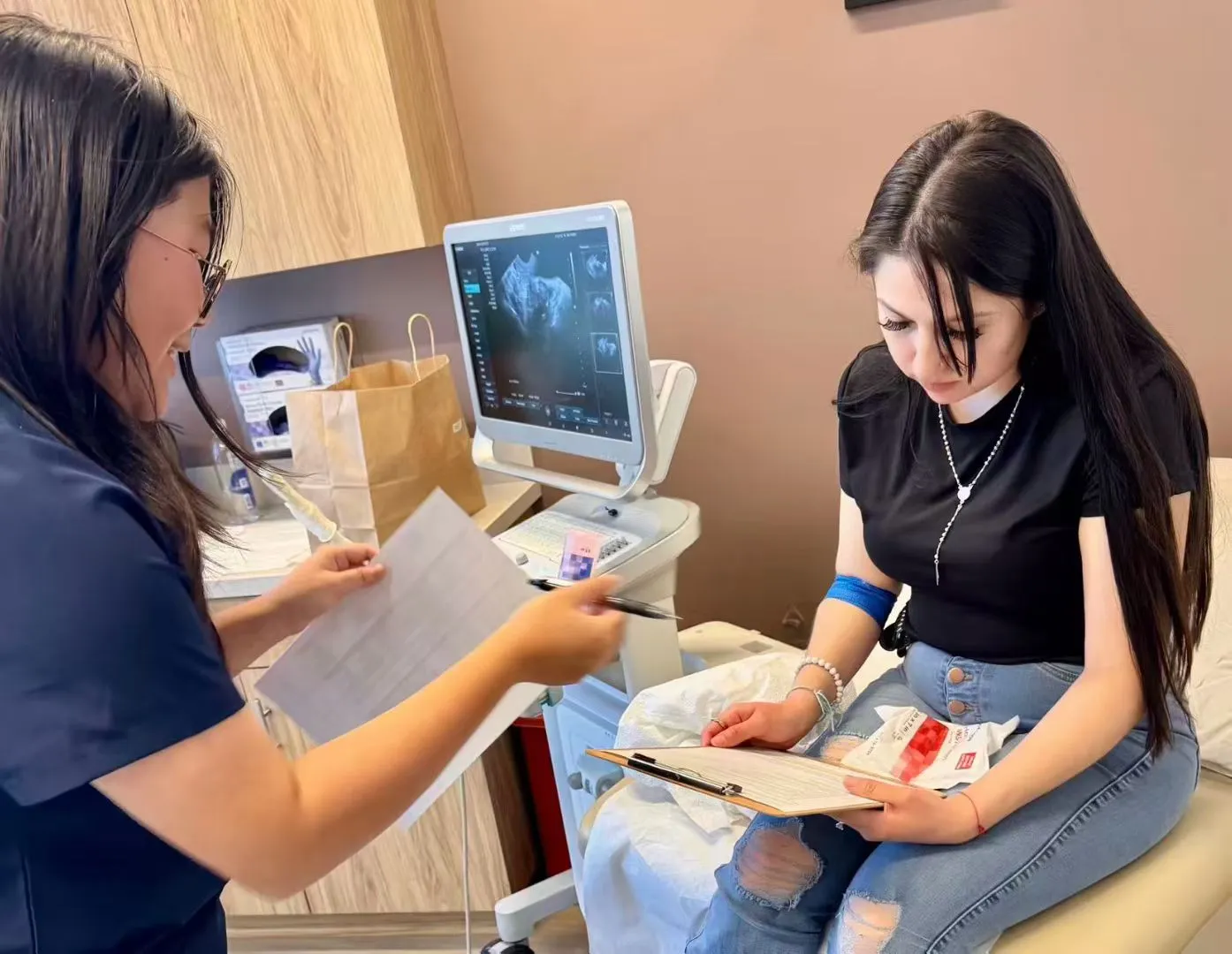
Kayla thought her tubes made pregnancy impossible
Kayla had her tubes tied after the birth of her third child because her family was complete. Years later, a friend told her that she could never be a surrogate because she could not become pregnant naturally.
The clinic explained the difference. A gestational carrier does not use her own egg. The fertility clinic transfers an embryo into her uterus. Her fallopian tubes are not needed for that transfer.
Kayla still needed screening. The clinic requested her tubal-ligation report, delivery records, and C-section records. The question changed from “Are my tubes open?” to “Is carrying another pregnancy medically appropriate?”
What tubal ligation changes
Tubal ligation blocks, cuts, removes, or seals part of the fallopian tubes to prevent egg and sperm from meeting. The exact procedure can differ. It usually prevents pregnancy through intercourse, but it does not remove the uterus.
Gestational surrogacy uses IVF. The embryo is created outside the body and placed in the uterus. That is why a woman may still be able to carry a pregnancy after tubal ligation.
What the clinic still needs to review
- The type and date of the tubal-ligation procedure
- Any problem during surgery or recovery
- Previous pregnancy and delivery records
- Number and type of C-sections
- Current uterine and pelvic health
- Age, blood pressure, medication, and other medical factors
- Whether another pregnancy would create added risk
ACOG explains that female sterilization is intended to prevent pregnancy by blocking or removing the tubes.1 It does not replace the full medical evaluation recommended for a gestational carrier.
What to request before applying
- The operative report. This tells the clinic what procedure was performed.
- Recent gynecology records. Include any pelvic pain, bleeding, infection, or follow-up care.
- Pregnancy and delivery records. Tubal ligation is only one part of eligibility.
- A current medication list. Include prescriptions, vitamins, and supplements.
If the procedure happened during a C-section, the operation report may contain both pieces of information.
Questions women often ask
Do I need tubal reversal to become a surrogate?
Usually not for gestational surrogacy. The embryo is transferred directly into the uterus. Do not pursue surgery unless your own medical clinician recommends it for a separate reason.
Does tubal ligation affect embryo transfer?
The tubes are not used in the transfer, but the fertility clinic still reviews the procedure, uterus, ovaries when relevant, pelvic history, and other medical factors.
What if I do not have the surgery report?
Tell the coordinator where and when the procedure happened. Ask whether the hospital, doctor, or health system can provide the report. The clinic decides what record is acceptable.
Your uterus—and your full history—guide the decision
Kayla’s tubal ligation did not end the conversation. It changed which records the clinic needed. Learn about surrogate medical screening and why complete records matter.