There is no single number of surrogate appointments. A journey can include record review, screening, legal work, monitoring, embryo transfer, pregnancy tests, prenatal visits, specialist visits, delivery, and postpartum care. An uncomplicated pregnancy may still require dozens of contacts and appointments across a year or longer.
The better planning question is: which visits are local, which require travel, how much notice will you receive, and who covers work and childcare?
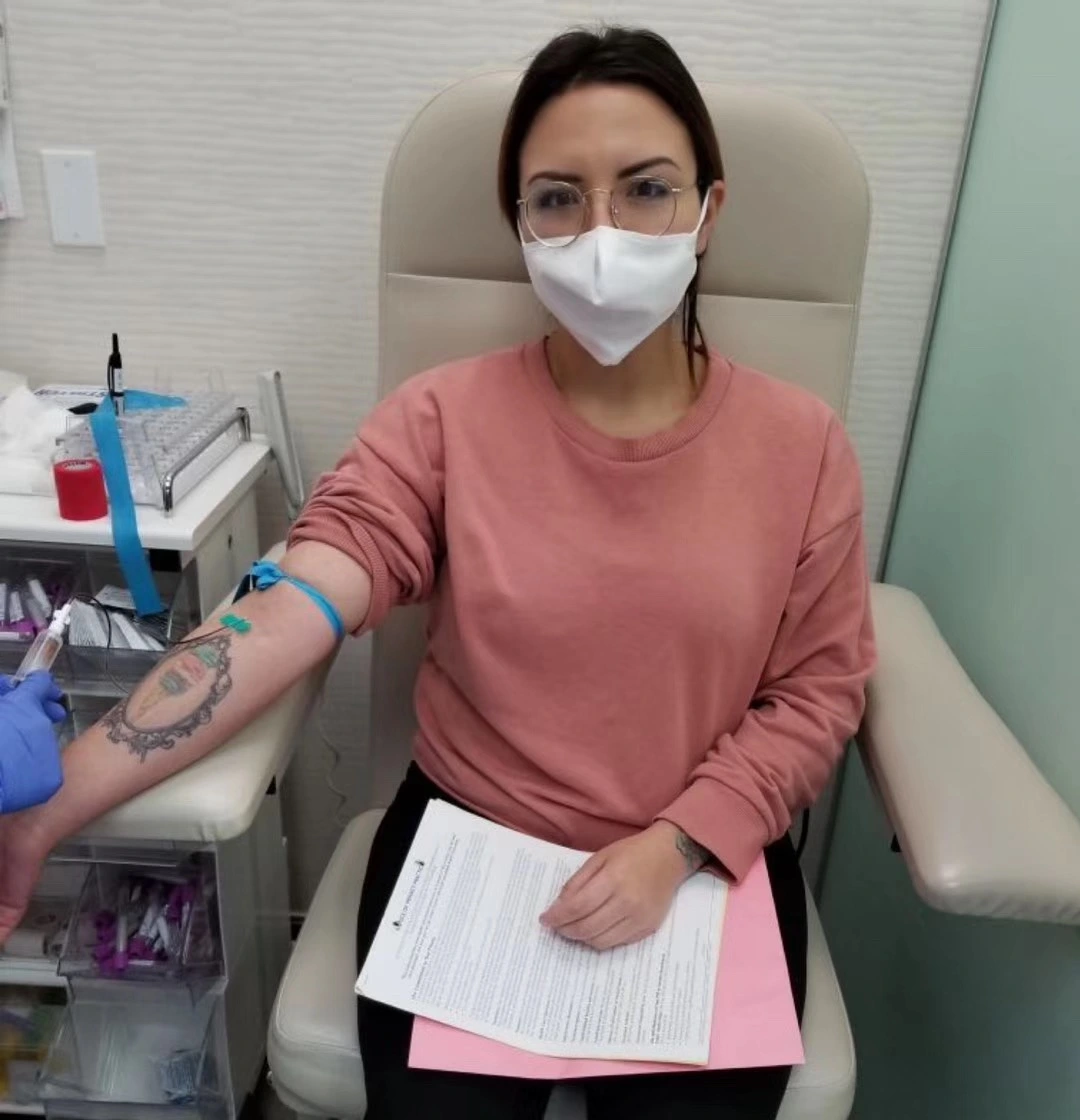
Elena’s calendar looked quiet—until monitoring week
Most weeks, Elena only answered a message or confirmed a form. Then the clinic began the transfer cycle. She had three early-morning monitoring visits in one week, each scheduled after the previous result.
The visits were short, but the drive, childcare, and late arrival at work were not. Later in pregnancy, her routine prenatal care was easier to predict. One extra specialist visit created another busy month.
Elena stopped asking for one total number. She asked which stages were predictable and which could change quickly.
Appointments by stage
- Application and screening: calls, records, psychological evaluation, clinic exam, labs, and ultrasound
- Matching and legal: match conversations, attorney meetings, insurance review, and document signatures
- Transfer cycle: baseline and monitoring visits, medication checks, transfer, and pregnancy testing
- Pregnancy: routine prenatal care plus clinic or specialist visits when needed
- Delivery and postpartum: hospital care, postpartum visits, and any additional recovery care
ACOG explains that prenatal care schedules can be tailored to health needs and pregnancy circumstances.1 That is one reason no agency should promise an exact final count.
Ask for four kinds of time
- Appointment time: how long you are in the office
- Travel time: local driving or out-of-town trips
- Preparation time: forms, medication, calls, and arranging care
- Recovery time: after procedures, delivery, or a difficult visit
Questions to ask the coordinator
- Which clinic visits can happen near my home?
- How often does the transfer clinic schedule early-morning monitoring?
- How much notice is typical?
- Can telehealth be used for any legal, counseling, or coordination calls?
- Who schedules specialist care during pregnancy?
- How are childcare, wages, mileage, and parking handled?
- Who should I call when an appointment changes after hours?
ASRM recommends medical and psychological evaluation as part of gestational-carrier preparation.2 These steps add time before pregnancy begins.
Make a calendar that your family can actually use
Elena used three labels: fixed, likely, and short-notice. A legal meeting was fixed. A prenatal visit was likely. Monitoring was short-notice. Her partner and backup caregiver knew which label meant they might need to help.
Keep clinic addresses, childcare contacts, employer notice rules, and travel approval in the same calendar. A good plan does not remove surprises. It tells everyone what to do when one happens.
Common questions, answered
Can I work full time?
Many surrogates do, but flexibility matters. Review attendance rules, paid leave, shift coverage, and how lost wages are handled before matching.
Can I choose appointment times?
You may have options for routine visits. Monitoring and procedures often depend on test results and clinic schedules.
Will intended parents attend every visit?
Not necessarily. Discuss preferences, privacy, and which milestones matter to both sides during matching.
Count the disruption, not only the visits
Elena could handle a busy week because the family plan was built before it arrived. Review the monthly time commitment and lost-wage protection.