When a surrogate gives birth, the hospital treats her as the patient and follows its normal labor, delivery, recovery, and discharge process. The intended parents’ role with the baby follows the legal documents and hospital procedures. A hospital plan helps everyone know where to go, who receives updates, and what happens if the plan changes.
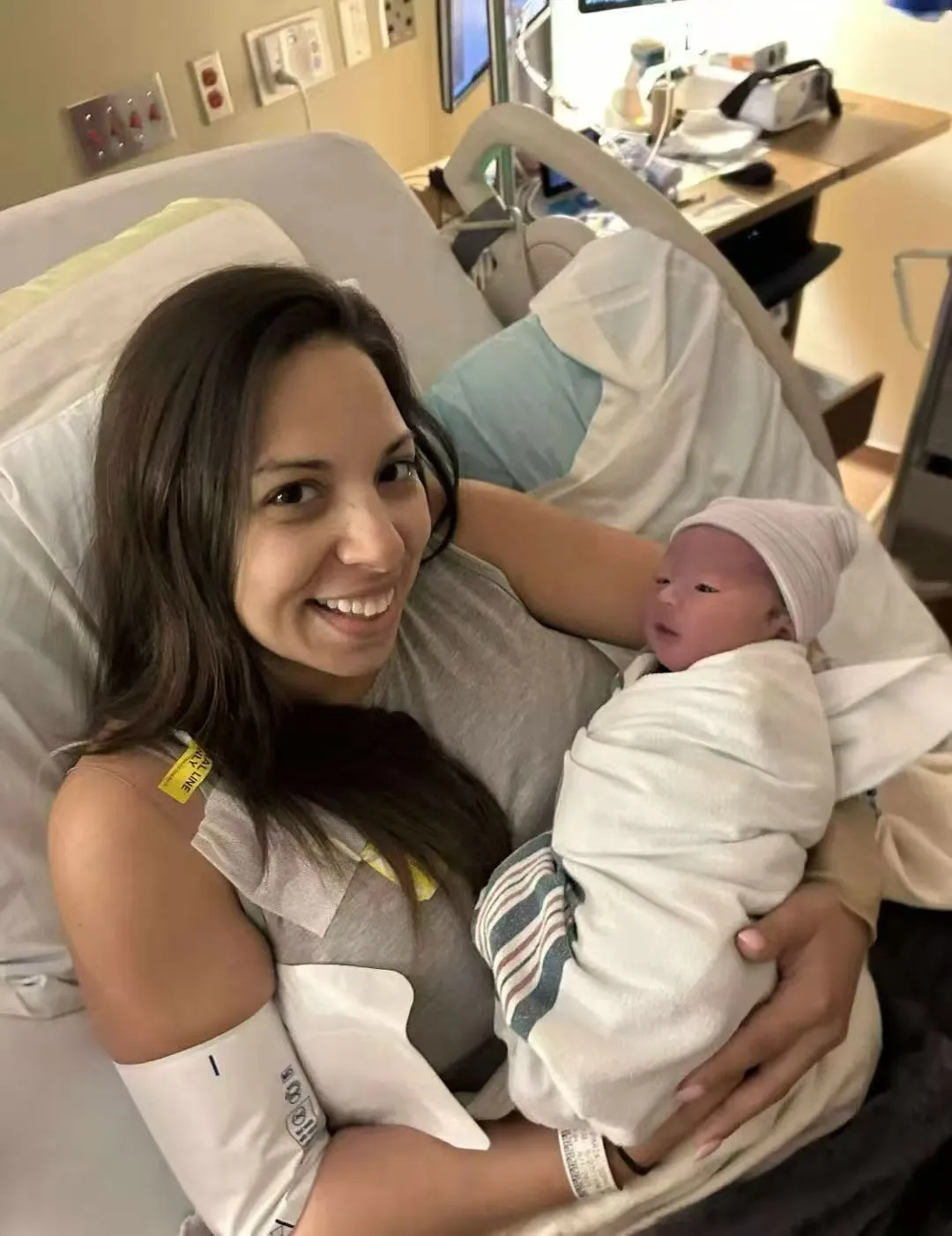
Brielle’s intended parents were still on the highway
Brielle’s contractions became strong two weeks before her due date. Her intended parents started driving to the hospital, but traffic delayed them. Brielle did not have to manage the updates while she was in labor.
Her sister stayed with her. The coordinator contacted the intended parents. The hospital had copies of the parentage documents and knew whom to call when the baby arrived.
The backup plan mattered because birth did not wait for everyone to be in the same room.
From arrival to discharge
Triage and admission
The hospital checks the surrogate, confirms labor or the reason for care, and reviews the medical plan. Staff may also confirm support people, privacy choices, and legal contacts.
Labor and delivery
The surrogate makes decisions about her medical care with the clinicians. Visitor limits, anesthesia, surgery, safety, and room rules may affect who can be present.
Care for the baby
The newborn team examines the baby. Hospital staff use the legal and identification plan to involve the intended parents. If the baby needs special care, the hospital explains access and updates.
Recovery and discharge
The surrogate receives postpartum care and separate discharge instructions. The baby may have a different discharge time and plan. The coordinator should track both without treating the surrogate’s recovery as finished when the baby leaves.
What to bring
- Photo identification and insurance card
- The current birth plan
- Parentage or attorney documents requested by the hospital
- Coordinator and attorney contact information
- Medication list and allergy information
- Support-person and childcare contacts
- A backup plan if the intended parents are delayed
ASRM explains that the surrogate gives consent for her own medical care through labor, delivery, and recovery.1
Before leaving the hospital
- Confirm the surrogate’s medications and follow-up appointment.
- Ask who to call about pain, bleeding, blood pressure, mood, or other concerns.
- Confirm how hospital bills and insurance messages will be handled.
- Review transportation, childcare, meals, and help at home.
- Set the first coordinator check-in after discharge.
The CDC lists urgent maternal warning signs that can occur during pregnancy and up to a year after delivery. Severe headache, trouble breathing, chest pain, heavy bleeding, thoughts of harming yourself or the baby, and other warning signs need prompt care.2
Questions women often ask
Can the intended parents be in the room?
Often they can, but the surrogate’s preference, hospital rules, room type, staffing, infection precautions, and emergencies can change access.
What if I need a C-section?
The medical team explains why it is recommended and asks for the surrogate’s consent. Operating-room limits may change who can be present, so the birth plan needs a backup.
Who leaves the hospital first?
The surrogate and baby have separate medical needs and may be discharged at different times. The hospital and legal team should explain the baby’s process. The surrogate’s team should keep supporting her recovery.
Birth day needs a backup—not a perfect script
Brielle could focus on labor because someone else handled communication. Prepare with the surrogate birth-plan guide and review postpartum support before delivery.