Surrogate medical screening usually includes a review of your pregnancy records, a physical exam, blood and urine tests, infection screening, and an evaluation of the uterus. The exact tests depend on the clinic and your health history.
Screening is not one universal checklist. The clinic uses the results to decide whether treatment and another pregnancy appear medically appropriate.
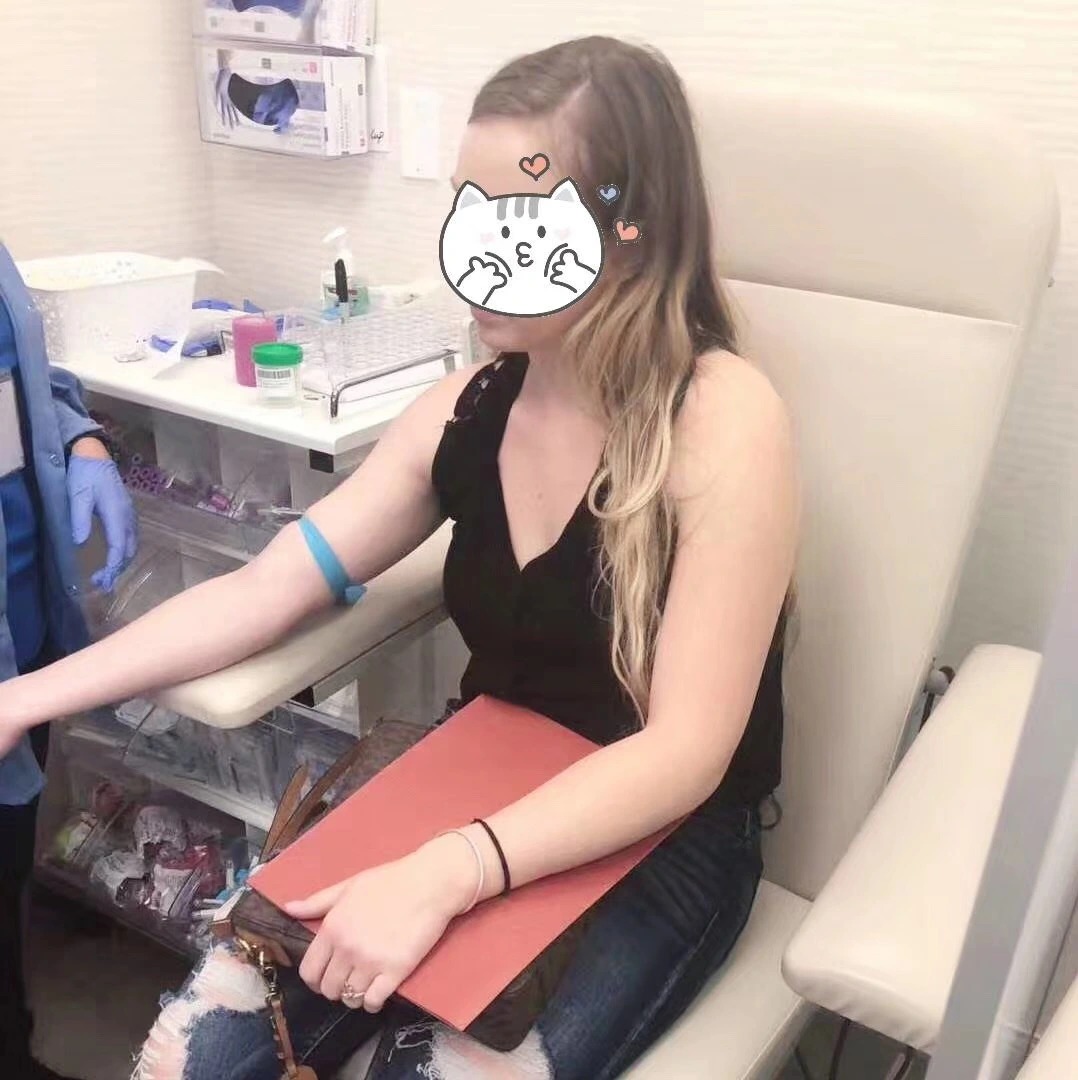
Danielle expected one blood test
Danielle arrived at the clinic thinking the appointment would be a quick blood draw. She had already completed three pregnancies, and all had felt healthy to her.
The clinic also reviewed her delivery records, medication list, blood pressure, prior gestational-diabetes test, and a C-section report. She had an ultrasound and infection screening. One missing postpartum note delayed the final decision.
The appointment was not about proving that she felt healthy. It was about giving the clinic enough information to make a medical decision.
What may be included
- Complete pregnancy and delivery records
- Medical history, surgeries, allergies, and medication review
- Physical exam and vital signs
- Blood type and basic laboratory testing
- Screening for infections
- Urine testing when needed
- Ultrasound or another evaluation of the uterus
- Cervical screening or other routine records when required
- Additional testing based on a past condition
ASRM recommends a complete personal and family medical history, physical examination, infectious-disease testing, and review of obstetric history for a prospective gestational carrier.1
What to bring to the appointment
- A photo ID and insurance information if requested
- A current medication and supplement list
- Dates and locations of every pregnancy and delivery
- Names of doctors and hospitals
- Records for C-sections, complications, or recent care
- Questions about each test and who receives the results
Do not stop medication, fast, or change your routine unless the clinic gives instructions.
Possible results
- Cleared: the clinic accepts the medical review.
- More information needed: a record, test, or consultation is missing.
- Temporary pause: a condition, medication, recovery period, or test result needs follow-up.
- Not medically cleared: the clinic decides that moving forward would create too much risk.
Ask what the result means and whether another review is possible. Medical clearance belongs to the fertility clinic, not the agency.
Questions women often ask
Will screening hurt?
A blood draw and pelvic exam can cause brief discomfort. Ask the clinic to explain each step, request language help if needed, and speak up if you feel pain or anxiety.
Can I fail because of one abnormal result?
It depends on the result. Some findings need repeat testing or treatment. Others may change the risk enough that the clinic does not clear the journey.
Who pays for the tests?
Ask before the appointment. The program should explain approved testing, travel, billing, and what happens if extra medical follow-up is needed.
Screening turns your history into a medical answer
Danielle’s missing note did not mean she had failed. It meant the clinic needed the complete record. Learn why medical records matter and review the broader surrogate requirements.