Monitoring before embryo transfer usually includes blood tests and transvaginal ultrasounds that help the clinic check hormone levels and the uterine lining. The number and timing of visits depend on the medication protocol and your results, so the calendar can change with short notice.
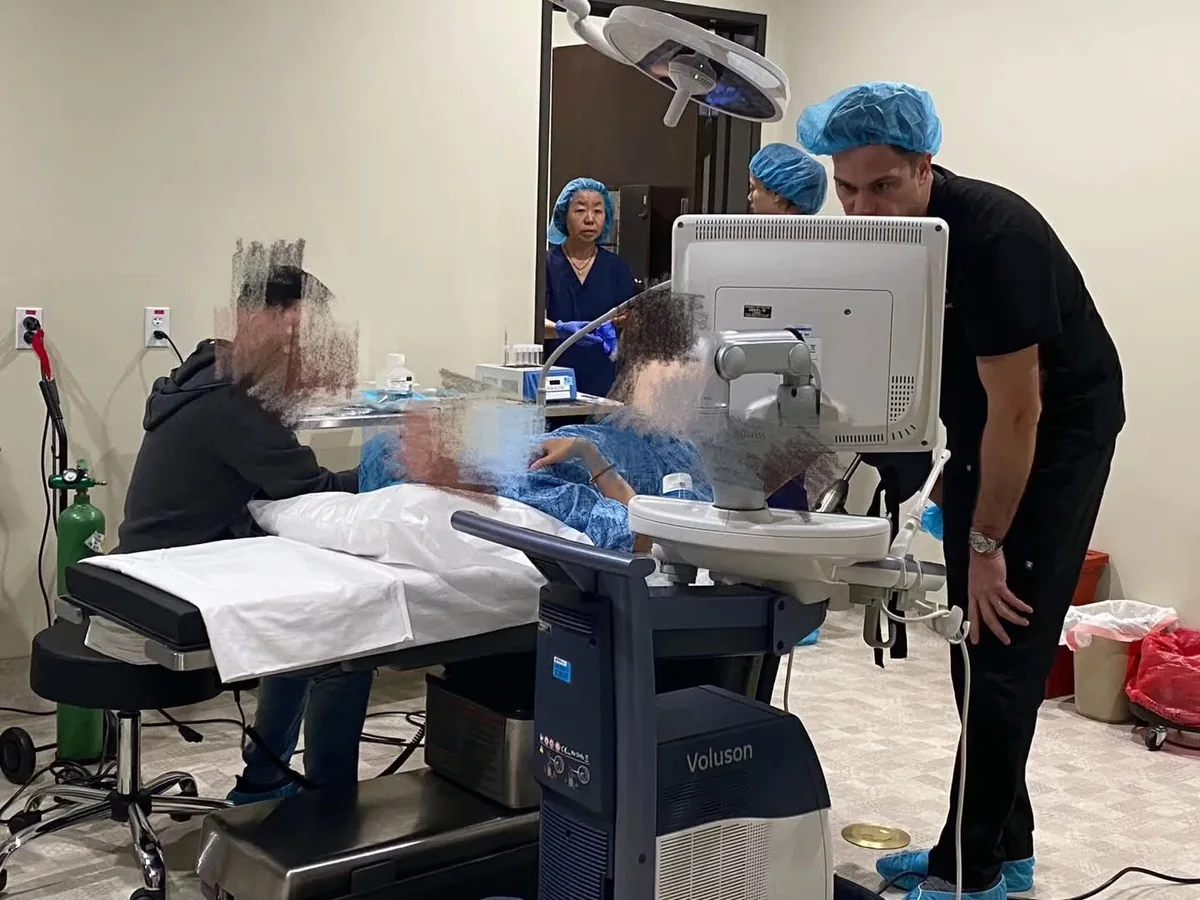
Janelle’s first appointment did not give her a transfer date
Janelle arrived at 6:45 a.m. for blood work and an ultrasound. She expected the nurse to confirm transfer. Instead, the clinic adjusted one medication and asked her to return two days later.
She felt frustrated because childcare was difficult to arrange. The nurse explained that the date depended on how her body responded, not only the first calendar.
Janelle and the coordinator created a backup plan for early visits. Once she expected a moving schedule, the changes felt less like bad news.
What the clinic may check
- Hormone levels through blood tests
- Uterine-lining thickness and appearance by ultrasound
- Medication timing and response
- Ovarian or uterine findings that need follow-up
- Whether the transfer schedule should continue, change, or pause
ReproductiveFacts.org explains that progesterone is often used to support the uterine lining in IVF treatment and that the exact plan depends on the treatment protocol.1
How the visit usually feels
A blood draw is brief. A transvaginal ultrasound uses a covered probe placed in the vagina. You may feel pressure or discomfort. Ask the clinician to explain before touching you and to stop if you need a pause.
You may receive results later that day. Do not change medication until the clinic gives instructions. Write the new dose and time down, then repeat it back to confirm.
Prepare for short-notice mornings
- Ask for the expected monitoring window before medication begins.
- Confirm whether visits can happen at a local clinic.
- Arrange two childcare options.
- Tell your employer that exact dates may change.
- Keep medication and clinic contacts together.
- Know how mileage, parking, childcare, and wages are handled.
When monitoring leads to a delay
A delay can mean the clinic needs more time, a different dose, another test, or a new cycle. It does not mean you failed. Ask what result the team is watching, when it will be checked again, and whether you should continue every medication.
If the cycle is canceled, ask about medical follow-up, expense reimbursement, any canceled-cycle benefit, and when another attempt could be considered.
Common questions, answered
How many monitoring visits will I have?
There is no fixed number. Ask for the clinic’s usual range and prepare for extra visits when results require them.
Can I take medication before the blood test?
Follow the clinic’s written instructions. If the instructions are unclear, call before changing a dose or time.
Can intended parents attend?
Discuss privacy and clinic policy. Routine monitoring may be local or very early, so many updates are shared afterward instead.
A moving calendar is easier with a backup plan
Janelle could not control every result, but she could control who handled school drop-off and how her employer was notified. Read the full embryo-transfer guide and appointment overview.