“Embryo donation” and “embryo adoption” are often used for similar family-building arrangements, but the language and process can differ. In both, embryos created by another person or family may be transferred to an intended parent or a gestational surrogate. The medical process remains an embryo transfer; the legal process is not the same as adopting a child who has already been born.
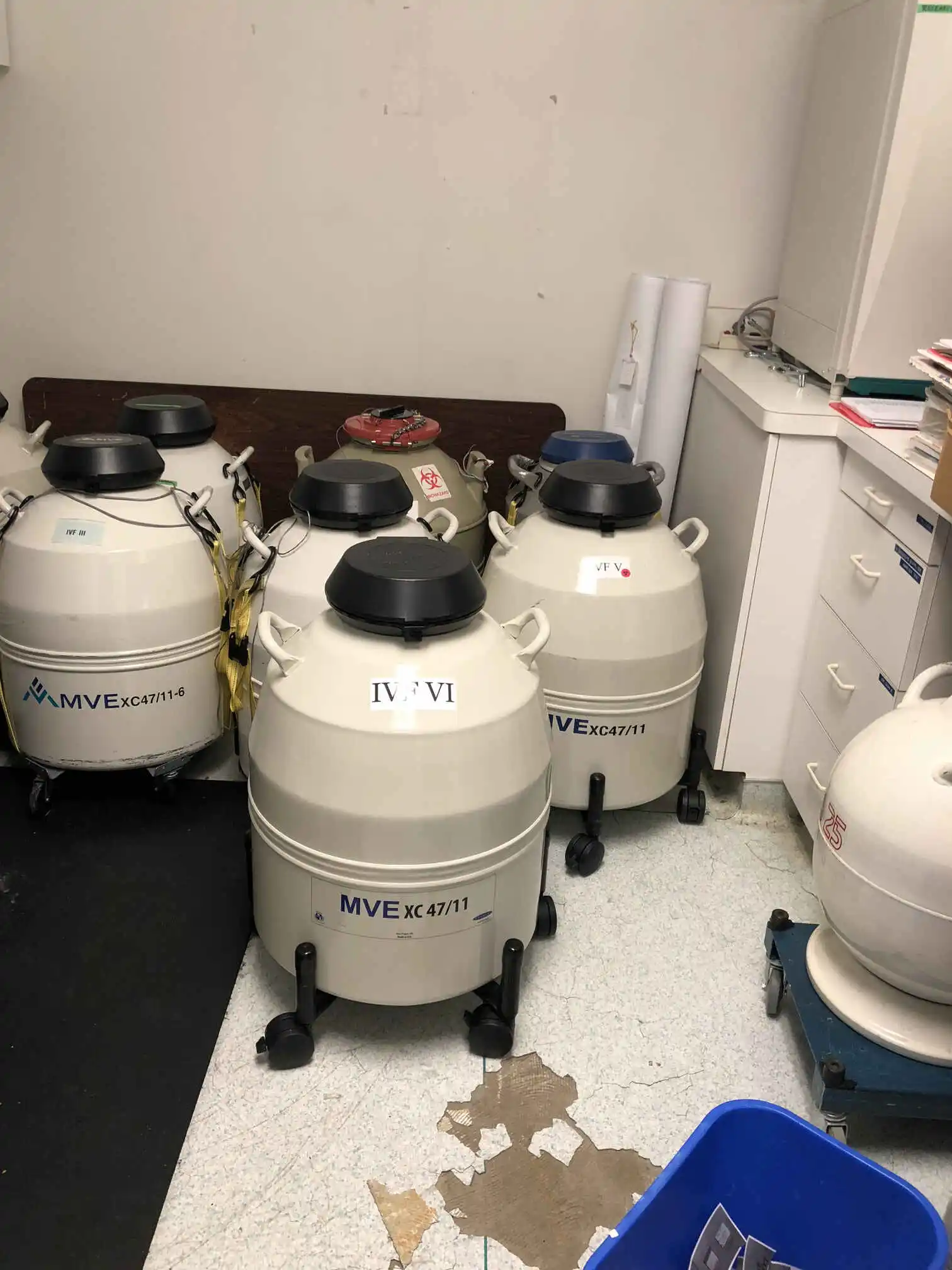
Before choosing a program, intended parents should understand how it screens participants, handles consent and records, describes future contact, works with fertility clinics, and coordinates legal review.
Why the two terms create confusion
Some programs use embryo donation to emphasize donated reproductive tissue and clinic consent. Others use embryo adoption and may include an application, family profile, home study, or matching process modeled partly on adoption practices.
The label alone does not tell you what you will be asked to do. Read the actual program rules and have an independent attorney explain the legal documents in the state connected to your treatment and future parentage.
What the journey can look like
After several unsuccessful IVF cycles, Naomi and Luis decide to explore donated embryos. One program offers anonymous donation with limited non-identifying records. Another gives both families the option of future contact and asks for a home study.
They do not choose based on the shortest application. They compare the medical records available, clinic acceptance, storage location, legal documents, number of embryos, contact expectations, total cost, and what would happen to any embryos they do not use.
That comparison gives them a decision they can explain to themselves—and eventually to their child—instead of choosing from a label.
Questions to compare programs
What medical and genetic information is available?
Ask what records exist, how old they are, whether they can be updated, and whether the fertility clinic considers them sufficient. No screening removes every possible risk.
Is the arrangement anonymous, open, or somewhere in between?
Programs may offer different levels of identity disclosure and future communication. Ask how expectations are documented and whether they can change.
Does our fertility clinic accept the embryos?
The clinic may need to review embryo-storage records, laboratory information, infectious-disease screening, consent forms, transport requirements, and other details before accepting transfer of the embryos.
What happens to embryos we do not use?
Ask before signing. Storage fees, future disposition, possible return to the donating family, additional donation, research, or disposal may be addressed in program and clinic documents.
What legal review is required?
Independent counsel should explain the donation documents and, if a gestational surrogate will carry the pregnancy, the separate surrogacy agreement and parentage process.
How surrogacy may fit
Some intended parents can carry a donated embryo themselves. Others may need or choose a gestational surrogate for medical or family-structure reasons.
If a surrogate will carry the pregnancy, there are two coordinated tracks:
- Embryo donation and clinic acceptance: records, consent, storage, transport, and treatment planning.
- Gestational-surrogacy preparation: surrogate screening, mutual matching, independent attorneys, insurance review, escrow, medical clearance, transfer, pregnancy, and parentage planning.
One set of documents does not replace the other. The agency helps keep the tracks connected; the clinic and attorneys make the decisions within their professions.
Is embryo donation less expensive than using an egg donor?
It can be, because the embryos already exist and a new egg-retrieval cycle may not be needed. But total cost depends on the program, storage and transport, clinic testing, legal review, transfer attempts, medication, and whether a gestational surrogate is involved.
Do not compare only the program’s entry fee. Build a full path budget. See our surrogacy cost guide if a surrogate may be part of your plan.
Questions intended parents often ask
Is embryo adoption a legal adoption?
The terminology can be confusing. Embryos are generally handled through consent and contract before birth rather than the same court process used to adopt a child after birth. State law and program structure matter, so obtain independent legal advice.
Can we choose the donating family?
Some programs offer profiles or mutual matching; others use anonymous or program-directed allocation. Ask how much choice each party has and what information is shared.
Can donated embryos be genetically tested?
The answer depends on the embryos, prior testing, storage, clinic policy, and medical judgment. A fertility specialist should explain what is possible and what the results can and cannot tell you.
When should we look for a surrogate?
First confirm that the clinic can accept the embryos and develop a realistic transfer plan. You can speak with an agency earlier, but matching is more stable when the embryo path is clear.
Who should explain future disclosure to a child?
Many families seek guidance from qualified counselors familiar with donor conception. The donor program and clinic can explain what counseling resources and records are available.