How many embryos do you need for surrogacy? There is no universal number. One embryo can be transferred in one attempt. That does not mean one embryo guarantees a pregnancy, and it does not mean every family should create a larger group before matching.
The right planning question is: “Given our medical history, embryo information, family goals, time, and budget, what possibilities should we prepare for?”
Only your fertility physician can interpret your embryos and treatment history. A surrogacy agency can help you understand how that medical plan affects matching, timing, and coordination.
How many embryos do you need for surrogacy planning?
After years of appointments, Elena and Sam wanted one clear threshold. They had two frozen embryos and asked whether they had “enough” to find a surrogate.
Their physician did not reduce the answer to a number. The discussion included how the embryos were created, their treatment history, whether testing had been performed, the clinic’s transfer recommendations, and whether they hoped for one child or more than one.
Their agency then helped them plan for two practical paths: a successful first transfer and a transfer that did not lead to an ongoing pregnancy. That gave them a usable plan without pretending anyone could predict the outcome.
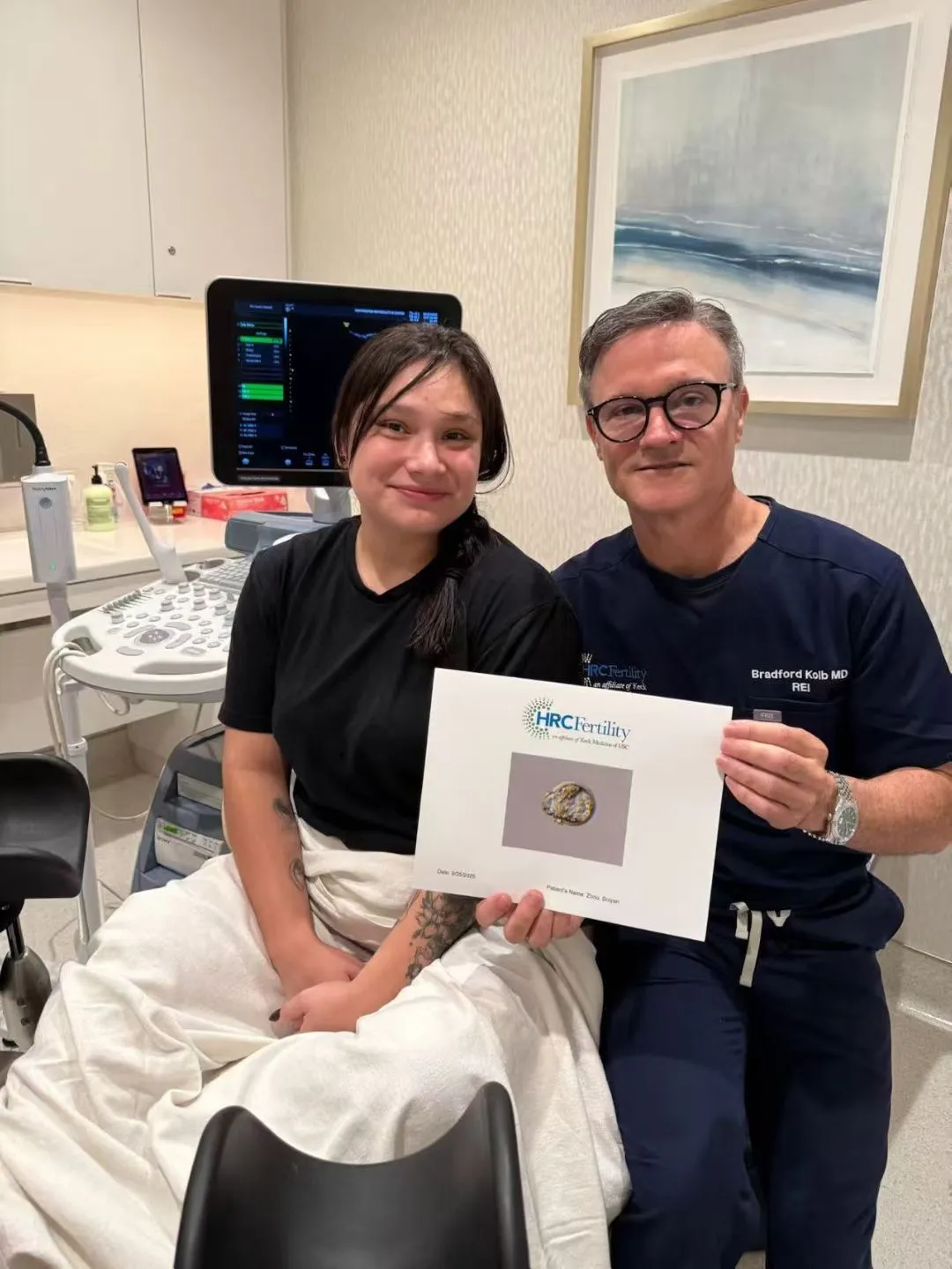
One embryo, one transfer—not one promise
An embryo transfer is a medical attempt. An embryo may not implant. A pregnancy may begin and then end. A transfer may be canceled before it happens. These possibilities are difficult, but they belong in the planning conversation.
Ask your clinic:
- what is known about each embryo;
- what the clinic does and does not infer from grading or testing;
- whether any further review is needed;
- whether single-embryo transfer is recommended;
- what may cause a transfer to be postponed; and
- what the next options would be after an unsuccessful transfer.
Four family situations that change the discussion
You have one embryo and want one child
You may choose to proceed after medical advice, or you may decide to create more embryos first. Consider how you would feel and what you would do if the first transfer did not work.
You have several embryos and want more than one child
Ask how future sibling plans affect storage, transfer decisions, donor agreements, and your long-term budget. A successful first journey does not guarantee that the same surrogate will carry again.
You still need donor eggs or sperm
The embryo number cannot be known before fertilization and development. Use ranges and decision points instead of building the entire surrogacy timeline around a hoped-for result.
Two intended parents are creating separate embryo groups
This is common in some LGBTQ+ family-building plans. Discuss how embryos will be labeled, stored, selected, and described. Decide how you will respond if the number or medical information differs between groups.
Embryo questions that are really family questions
Some decisions are medical. Others belong to the family.
| Question | Who should help |
|---|---|
| What transfer approach is medically recommended? | Fertility physician |
| What do our embryo records show? | Fertility clinic and embryology team |
| Do donor agreements affect future use? | Independent reproductive-law attorney |
| How many children do we hope to have? | Intended parents, with counseling if helpful |
| What will we do after an unsuccessful transfer? | Intended parents, clinic, surrogate, and coordinator |
| When should active matching begin? | Intended parents, clinic, agency, and legal advisers |
How embryo readiness affects a surrogate match
A potential surrogate deserves accurate information. She may make work, childcare, travel, and family plans around screening and transfer.
Before matching, be ready to explain:
- whether embryos already exist;
- which clinic holds or will receive them;
- what medical step comes next;
- whether another retrieval or donor cycle is possible;
- how you will communicate a delay; and
- what happens to the match after an unsuccessful transfer.
You do not need to share every private medical detail during an early introduction. You do need to avoid creating certainty that your clinic has not given you.
Budget for pathways, not only the first attempt
A useful budget separates:
- embryo creation or donor costs;
- storage and transport;
- surrogate screening;
- medication and monitoring;
- each transfer-related expense;
- travel and childcare;
- escrow and reimbursements;
- legal updates if the timeline changes; and
- emotional support after a difficult result.
Review Surrogacy Costs for Intended Parents and ask providers which charges repeat with another transfer.
Be cautious with embryo “success” claims
National success-rate data can help you understand assisted reproduction broadly. It cannot predict one embryo or one person’s outcome. Clinic numbers may also describe different patient groups, ages, embryo types, or reporting periods.
Ask a physician to explain which data are relevant to your case and what uncertainty remains.
A better planning worksheet
Write down three paths:
- The first transfer leads to an ongoing pregnancy.
- The first transfer does not work and another embryo is available.
- The first transfer does not work and more embryo creation is needed.
For each path, note the medical decision-maker, expected pause, budget effect, communication plan, and what the surrogate agreement says. The goal is not to expect bad news. It is to prevent a painful result from becoming an organizational crisis.
What to bring to your agency consultation
You do not need to bring a medical prediction. Bring your clinic name, embryo status, family goal, next medical appointment, and the questions your physician has not answered yet.
LittleBee can coordinate the surrogacy timeline around the plan your fertility clinic provides.