Intended parents can often attend some surrogate appointments and the birth, but access is not automatic. The surrogate is the patient. She decides who joins her care, what health information may be shared, and who she wants as visitors, subject to clinic or hospital rules and medical needs.
Sofia and Ben live in Colorado. Their surrogate, Renee, lives in Oregon. They hope to join major ultrasounds and be present for delivery. Renee likes that idea. She also wants privacy during routine exams and the freedom to change the birth plan if labor becomes difficult.
Those wishes can fit together when the plan is specific.
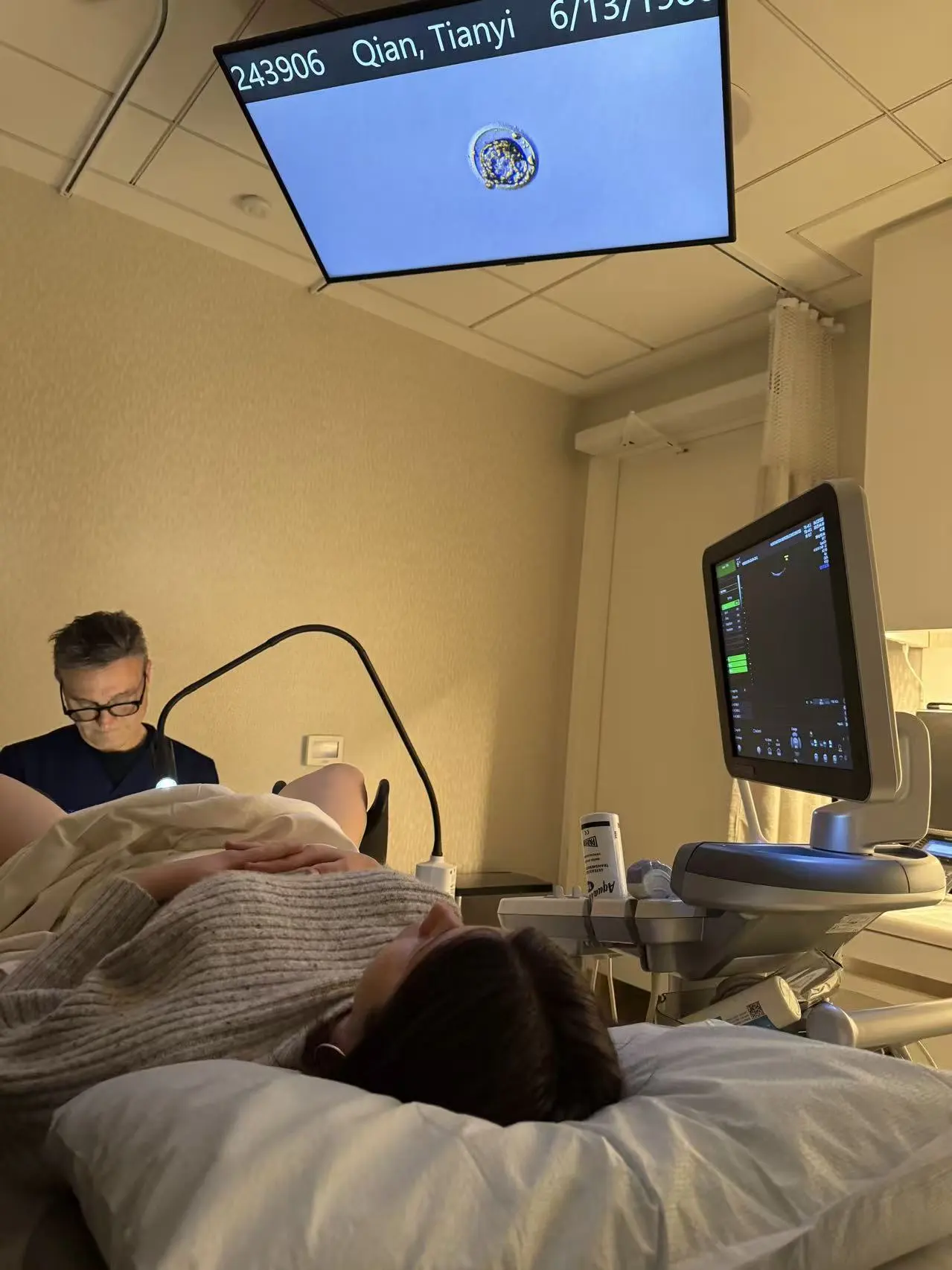
Appointment access depends on the visit
Not every appointment has the same purpose or setting. Ask the clinic or obstetric practice what it allows, then confirm what Renee wants.
Fertility clinic visits
Before transfer, visits may involve medication checks, bloodwork, ultrasound, and private medical questions. Some clinics allow intended parents to join the transfer. Others limit the room because of space, sterile procedures, or clinic policy.
ASRM recommends that intended parents and a prospective carrier discuss how the parents want to participate in treatment and pregnancy. It also recommends appropriate medical releases before treatment so the clinic may share relevant information within the arrangement.
The release does not make the intended parents the patient. Renee still gives consent for each procedure.
Routine prenatal visits
Many routine visits are short. They may include blood pressure, symptoms, fetal heart rate, and questions about the carrier’s health. Renee may want Sofia and Ben at selected visits, not every check.
They agree that Renee will attend routine visits on her own. She will send a short update afterward. Sofia and Ben will join the first obstetric visit by video if the practice permits it.
Ultrasounds and major consultations
An anatomy scan or specialist consultation may feel important to all parties. Ask whether remote attendance is available. Also ask how results will be released. The person performing an ultrasound may not be able to interpret findings during the visit.
If a scan raises a concern, Renee may need private time with the doctor. Sofia and Ben can still receive agreed information after she speaks with the medical team.
ACOG states that informed consent requires accurate, understandable information and a voluntary choice. That choice may include refusing care. It remains with the adult patient during pregnancy, labor, and delivery.
Follow the broader surrogacy process for intended parents so appointment plans are tied to the right stage.
Medical privacy needs a real plan
HHS explains that a provider may share information with family or friends when the patient allows it, does not object, or when another permitted condition applies. A provider is not required to share information merely because someone is closely involved.
Before the first clinic visit, ask:
- Which release form does the clinic require?
- What categories of information are relevant to the surrogacy arrangement?
- Who receives test results and appointment calls?
- Does the release cover the fertility clinic, obstetric practice, hospital, and specialists?
- Can the surrogate change or limit the permission?
- How will the team handle an urgent event when she cannot communicate?
Do not use a broad medical release as a substitute for trust. Share only what the care team and legal advisers say is needed. Unrelated medical history should remain private unless law or care makes it relevant.
The communication plan should match the access plan. Review how intended parents and a surrogate can communicate before deciding who joins which visit.
Birth attendance is planned, not guaranteed
Federal hospital rules require participating hospitals to have written visitation policies. Patients must be told about limits. The rules also recognize a patient’s right, subject to consent and reasonable clinical restrictions, to receive visitors she designates and to withdraw that consent.
In a surrogacy birth, the gestational carrier is the labor patient. Renee may invite Sofia and Ben. She may also ask them to step out for an exam, rest, pain relief, or an urgent decision. The hospital may limit visitors because of room size, infection control, surgery, emergency care, or unit policy.
That is why “the intended parents will be in the delivery room” should not be treated as a promise.
The newborn side is a separate track
The intended parents’ access to the baby may depend on the parentage plan, hospital paperwork, newborn care needs, and unit policy. Their attorney should coordinate any parentage order and hospital letter well before the due date.
Sofia and Ben work with their lawyer and the hospital social worker. The file includes contact details, the expected parentage documents, and a backup plan if Renee delivers at another hospital. They also ask whether a separate room may be available. No one promises that it will be.
Review the surrogacy parentage order process early. A birth plan cannot replace legal documents.
Build one plan and two backups
Around the start of the third trimester, create a written birth coordination plan. Keep it practical.
Plan A: the expected birth
- Preferred hospital and main phone numbers.
- Who Renee wants during labor, exams, and delivery.
- When Sofia and Ben should travel.
- Who calls them when labor begins.
- Newborn wristbands, nursery access, and discharge questions.
- Interpreter needs for any participant.
- Who carries the legal and insurance documents.
Plan B: access changes
- What happens if visitor limits change.
- How the parents receive updates if they cannot enter.
- Who may video call, and when recording is not allowed.
- Where they wait if the room becomes private.
Plan C: an unexpected hospital or early birth
- A 24-hour contact for the agency and attorneys.
- Digital copies of parentage and hospital papers.
- Instructions for a hospital that has not reviewed the plan.
- A travel plan that does not depend on one exact due date.
Renee, Sofia, and Ben review all three plans. Renee feels safer because her privacy is clear. Sofia and Ben feel calmer because exclusion from one room would not mean losing all information.
Risk boundaries to keep visible
Intended parents should not pressure a surrogate to admit them to an exam or procedure. They should not photograph, record, or post medical moments without current permission. Paying medical costs does not create a right to attend.
A surrogate should not be asked to predict how she will feel in labor months in advance. Consent can change. The hospital may also change access for clinical reasons.
At the same time, the team should not wait until labor to discuss intended parent contact, parentage documents, newborn care, or language access. Good planning protects everyone without pretending the day can be controlled.
Appointment and birth action list
- Discuss desired participation during matching and the joint session.
- Put expectations and limits into the legal agreement where counsel advises.
- Complete clinic-approved medical releases before treatment.
- Ask each medical office about guests, video access, recordings, and result sharing.
- Choose major visits the intended parents hope to attend.
- Contact the delivery hospital before the third trimester ends.
- Confirm the parentage and newborn paperwork with the attorney.
- Create backup plans for surgery, early labor, travel delay, or visitor limits.
For more detail, use a surrogacy birth plan checklist with the carrier, agency, lawyers, and hospital team.
Questions intended parents often ask
Can intended parents join appointments by video?
Often, but permission is needed from the surrogate and the medical office. The office may limit video during exams or when other patients and protected information could be captured.
Can the surrogate change her mind about who attends the birth?
Yes. As the patient, she can withdraw or deny visitor consent. Medical staff may also impose reasonable clinical limits. A change in room access does not by itself decide legal parentage.
What if the intended parents miss the birth?
Use the backup contact plan. Ask who will update them, where the baby will receive care, and how legal documents will reach the hospital. Travel timing can reduce risk, but no one can guarantee arrival before delivery.
Sources
- American Society for Reproductive Medicine, “Recommendations for Practices Using Gestational Carriers: A Committee Opinion” (2022)
- American College of Obstetricians and Gynecologists, “Informed Consent and Shared Decision Making in Obstetrics and Gynecology”
- U.S. Department of Health and Human Services, “Family Members and Friends” under HIPAA
- Electronic Code of Federal Regulations, 42 CFR § 482.13, Patient’s Rights