A known sperm donor agreement should be discussed and signed with guidance from separate reproductive-law attorneys before IVF begins. It should address parentage intent, specimen and embryo use, future contact, medical updates, privacy, expenses, stored material, future children, and what happens when relationships change.
The agreement is not a universal form. State law and the facts of conception matter. A contract can record intent and duties, but no article can tell you how a court would apply the law to your family.
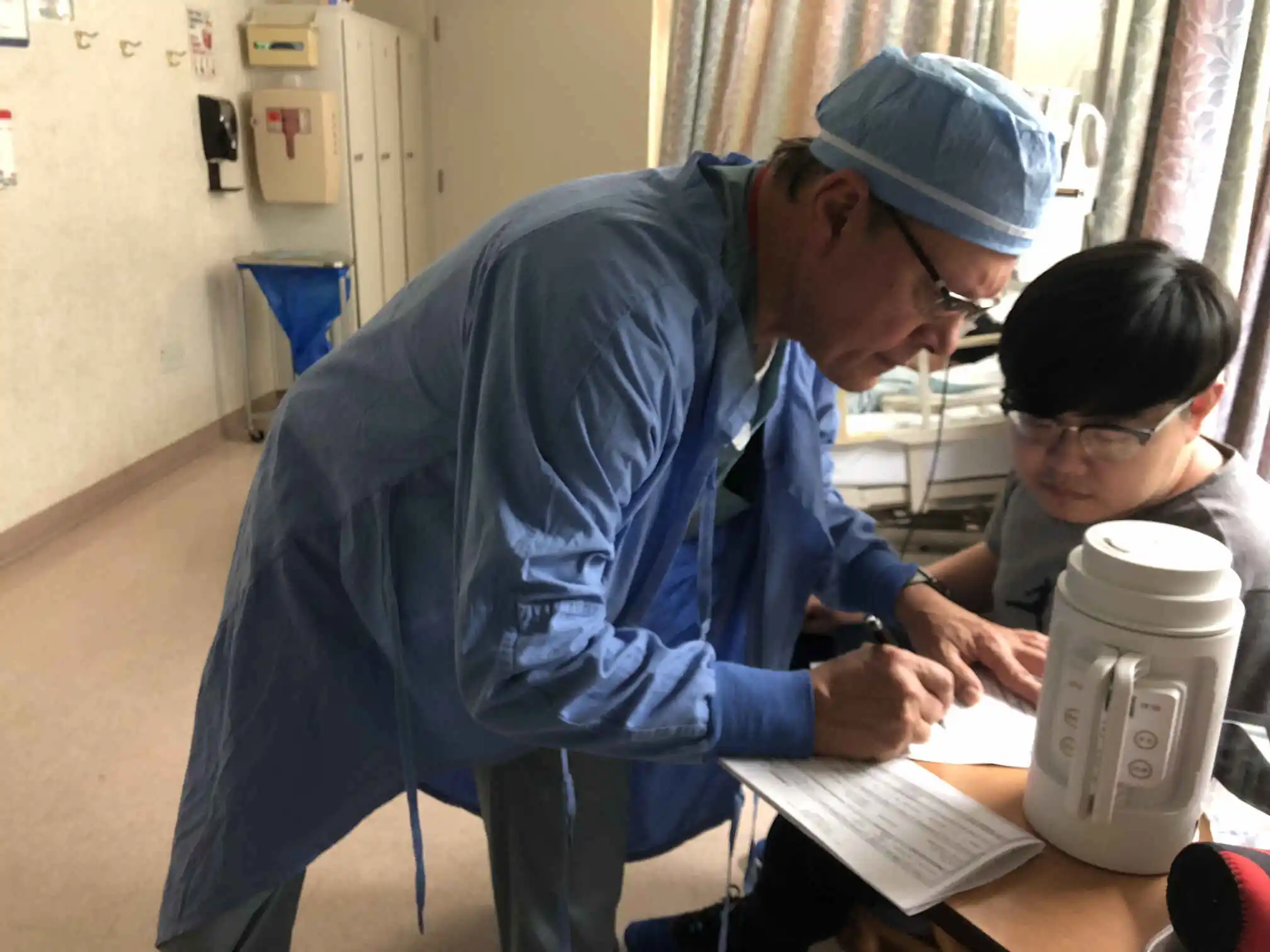
A family word can hide several meanings
Lucia and Ana asked their longtime friend Mateo to be their sperm donor. They liked the idea of “Tío Mateo” and thought the relationship was settled.
Their counselor asked what “uncle” meant in daily life. Would Mateo receive school photos? Attend birthdays? Take the child out alone? Share health updates with his own future children? Could he post about the donation online?
The word felt warm, but not precise. They talked further before lawyers drafted the agreement.
Resolve parentage intent first
The agreement should state who intends to be a legal parent and who does not. It should also describe the planned clinical process. Some states treat clinic or sperm-bank donation differently from private provision.
California Family Code section 7613 is one example. It addresses written consent in assisted reproduction and circumstances in which a semen donor is or is not treated as a parent. Other states use different language, requirements, or court tests.
Lucia, Ana, and Mateo lived in one state, but their clinic was in another and their surrogate lived in a third. Their lawyers reviewed all three connections. They did not assume a California rule or an online template controlled their case.
For the wider comparison of donor paths, read Known vs. Anonymous Sperm Donor.
Put these issues on the drafting table
| Agreement topic | Questions to resolve before IVF |
|---|---|
| Parentage | Who intends to be a parent? Who does not? Which state laws and clinic steps matter? |
| Collection and use | Where will collection occur? Which clinic may use the sperm? Is use limited to named intended parents? |
| Embryos | Who controls embryos made with the sperm? What happens after death, divorce, separation, or a clinic change? |
| Future family use | May the sperm be used for more children? Is there a time, child, or embryo limit? |
| Contact | What role, visits, names, photos, holidays, and communication are expected? |
| Privacy | Who may know? What may be shared with relatives, schools, social media, or future partners? |
| Health information | How will the donor, intended parents, and future child exchange important medical updates? |
| Expenses | Which travel, testing, legal, counseling, storage, and collection costs will be paid, and by whom? |
| Disputes and change | How will concerns be raised? Can terms be reviewed? Which terms should survive a broken friendship? |
The contract should fit the clinic consent forms. If one document calls Mateo a donor and another gives him control over embryos, the lawyers and clinic need to resolve the mismatch before treatment.
Decide who may use the sperm and embryos
“For IVF” is too broad. The agreement can address:
- the intended parents named in the plan;
- the clinic or storage facility allowed to receive specimens;
- the number or timing of collections;
- whether sperm may be stored for later cycles;
- whether embryos may be created for a future sibling;
- who makes storage and disposition decisions;
- whether unused sperm may be discarded, returned, or moved;
- what happens if an intended parent dies or the couple separates; and
- whether the donor may donate to other families.
Lucia and Ana hoped for two children. Mateo was comfortable with that plan but wanted clarity about whether his stored sperm could be used many years later. Their lawyers turned a vague “yes to siblings” into terms with a review process.
The clinic still made medical decisions about collection, testing, specimen acceptance, and IVF. Legal consent did not guarantee that a sample would be usable or that embryos would result.
Treat contact as a living family conversation
An agreement can record boundaries. It cannot freeze a child’s needs or everyone’s feelings for life.
Lucia, Ana, and Mateo discussed:
- What will the child call Mateo?
- How often do the adults expect contact?
- Will Mateo’s parents or children know about the donation?
- Who may share photos or family news?
- How will they answer questions about genetics and parenthood?
- What if the child wants more or less contact?
- What if Mateo moves, marries, or has children later?
- What if an adult wants to change the current arrangement?
They planned to tell the child about donor conception from an early age. ASRM ethics guidance strongly encourages disclosure and informed counseling, while recognizing that parents make the decision. A fertility counselor helped them find words that respected both genetic connection and the intended parents’ roles.
Build a medical-update route that can last
FDA and clinic screening happen before use, but health information can change later. A donor may receive a new diagnosis. A donor-conceived child may have a finding that matters to genetically related people.
The agreement should identify how updates are sent, who receives them, and what contact details must stay current. It may name the clinic, attorney, donor program, or another channel. Each adult should also keep a copy of the donor’s medical and genetic records.
Lucia and Ana created one secure record folder. Mateo agreed to report material health updates and keep a current email address with counsel. The terms did not make anyone a doctor or promise that every future issue would be known.
Review the testing limits in Sperm Donor Screening for IVF.
The pre-IVF decision checklist
Before collection, fertilization, or embryo storage, confirm that:
- the clinic accepts directed-donor arrangements;
- the donor completed the clinic’s medical and infectious-disease process;
- genetics and psychoeducational counseling were completed when advised;
- the donor and intended parents have separate legal advice;
- each lawyer considered the relevant states;
- parentage intent is clear and matches the planned method;
- the agreement and clinic forms use consistent terms;
- sperm, embryo, sibling, and disposition choices are written;
- contact, privacy, expenses, and medical updates are addressed;
- death, separation, incapacity, and disputes are covered; and
- no one is signing under pressure or on the eve of treatment.
Budget for screening, storage, counseling, and legal work with Donor Sperm Cost for IVF and Surrogacy.
Practical questions for separate counsel
Ask your own attorney:
- Which state’s law may apply to parentage and the donor agreement?
- Does the planned clinic process affect the legal analysis?
- What must be signed before collection or conception?
- How should the agreement address stored sperm and embryos?
- Do we need new consent for a sibling cycle or a new clinic?
- Which terms can be enforced, and which depend on future consent or a child’s needs?
- What happens if anyone moves to another state?
- How does the donor agreement connect to the surrogacy contract and parentage order?
LittleBee can coordinate milestones and document handoffs. It does not represent any party or provide legal advice. Learn how the pieces connect in Donor Sperm and Surrogacy.
FAQs
Can a friend sign the clinic form instead of hiring lawyers?
A clinic form addresses the clinic’s process and consent. It may not resolve parentage, future use, contact, expenses, or state-law issues. Each side should ask licensed reproductive counsel what documents are needed.
Can the agreement guarantee that the donor will never be a parent?
No article or template can guarantee a legal result. State law, signatures, timing, the clinical method, conduct, and other facts can matter. The agreement should be drafted for the actual plan by counsel licensed in the relevant state.
Can the agreement require a future child to have contact?
Adults can record their current expectations and duties. A child’s needs and choices develop over time. Counsel and a qualified counselor can help separate adult promises from decisions that should remain flexible for the child.
Does paying donor expenses make the donor a parent?
Parentage does not turn on one payment alone. State law and the full arrangement matter. List legitimate expenses clearly and ask counsel how compensation or reimbursement rules apply.
Sources
- American Society for Reproductive Medicine: Gamete and Embryo Donation Guidance (2024)
- U.S. Food and Drug Administration: What You Should Know—Reproductive Tissue Donation
- California Legislative Information: Family Code Section 7613
- ASRM Ethics Committee: Interests, Obligations, and Rights in Gamete and Embryo Donation