Fresh vs frozen donor eggs is not a choice between a good and bad option. Both can be used to create embryos. They create different timelines, work, records, and cost questions.
Your fertility clinic should explain which option fits your medical plan. Your donor program and attorney should explain records, consent, identity, and legal terms. A surrogacy agency can help connect that plan to embryo readiness and surrogate matching.
Fresh vs frozen donor eggs in one family’s plan
Tara and Nicole first preferred a fresh donor cycle because they hoped to create several embryos at once. After speaking with their clinic, they realized the donor’s travel, treatment calendar, retrieval, and their own legal work would all need to align.
Frozen eggs offered a different path: eggs were already stored, but the number available was fixed and the clinic still needed to confirm the source, records, shipping, and laboratory plan.
They did not choose by asking which option was “best.” They chose by deciding which uncertainties they were more prepared to manage.
What a fresh donor-egg cycle usually means
In a fresh cycle, a donor completes screening and a medication cycle before egg retrieval. The eggs are then fertilized to create embryos.
Possible advantages may include:
- planning around one donor’s full retrieval;
- the possibility of receiving more eggs from that retrieval, depending on the agreement and results;
- direct coordination between the clinic and donor team; and
- a clearer path to future sibling planning if embryos are created and stored.
Possible challenges may include:
- donor scheduling and availability;
- medication, monitoring, travel, and retrieval logistics;
- more moving parts before embryo creation;
- the possibility that the cycle produces fewer mature eggs or embryos than hoped; and
- a longer or less predictable start.
What frozen donor eggs usually mean
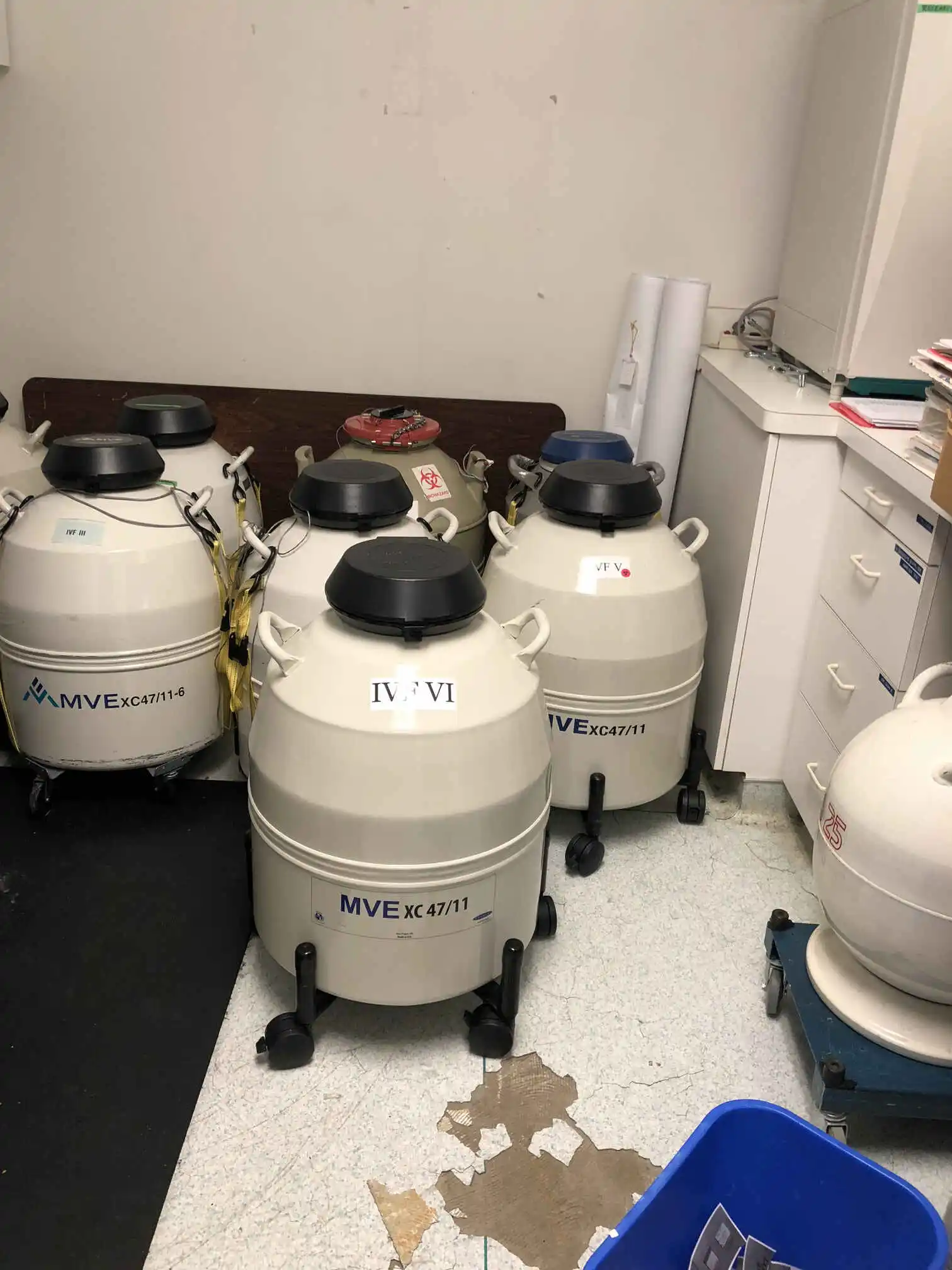
Frozen donor eggs have already been retrieved and stored. Intended parents may select an egg lot through a bank or program and arrange shipment to the fertility clinic.
Possible advantages may include:
- faster access to eggs that are already stored;
- fewer live-cycle scheduling steps;
- a more defined number of eggs in the purchase or allocation; and
- simpler coordination for families who want to begin embryo creation sooner.
Possible challenges may include:
- a fixed and sometimes smaller number of eggs;
- differences in the records or screening accepted by your clinic;
- shipping and storage coordination;
- terms that vary if eggs do not survive warming or do not create embryos; and
- future sibling planning if the same donor’s eggs are no longer available.
The questions that matter more than the label
| Ask about | Why it matters |
|---|---|
| Clinic acceptance | Your clinic must accept the donor source and records |
| Screening standards | Medical, genetic, infectious-disease, and psychological processes may differ |
| Number of eggs | “One lot” does not tell you how many usable eggs or embryos will result |
| Refund or replacement terms | Programs define unsuccessful outcomes differently |
| Identity and future contact | Your child may have questions or rights that matter years later |
| Record updates | Medical information can change after donation |
| Future sibling options | More eggs from the same donor may not remain available |
| Total cost | Include treatment, legal, storage, shipping, donor travel, and repeat plans |
What does FDA screening tell you?
In the United States, donor eligibility rules address communicable-disease risk for reproductive tissue. Clinics and professional programs may add medical, genetic, psychological, and family-history review.
That means “FDA eligible” is not the same as a complete promise about health, genetics, egg quality, or embryo outcome. Ask the clinic to explain which screening it requires and which records it will review.
How donor-egg timing connects to surrogacy
You can learn about surrogacy while choosing a donor. An active match should use an honest embryo timeline.
With a fresh cycle
The surrogate timeline may depend on donor screening, stimulation, retrieval, fertilization, embryo development, possible testing, and storage. Build room for changes.
With frozen eggs
Embryo creation may begin sooner if the clinic accepts the eggs and shipping is smooth. But frozen eggs are not embryos, and embryo number cannot be promised before fertilization and development.
Read Do You Need Embryos Before Finding a Surrogate? before starting an active match.
Information to save for your future child
The immediate goal may be pregnancy, but donor records can matter for decades. Ask how you will preserve:
- donor profile and medical history;
- screening and genetic reports;
- identity-release or contact terms;
- donor-program updates;
- clinic and embryology records;
- legal agreements and consent forms; and
- information about possible genetic siblings.
Choose one secure location and decide who will keep it updated.
Five questions for the fertility clinic
- Do you accept this donor, bank, or program?
- What records must be reviewed before we pay a nonrefundable fee?
- What does the clinic know about outcomes using fresh or frozen eggs in cases like ours?
- How will unused embryos be stored and documented?
- When would our embryo plan be ready enough for active surrogate matching?
Five questions for the donor program
- What screening has been completed and when?
- What exactly is included in the fee or egg lot?
- What happens if retrieval, warming, fertilization, or embryo development does not go as hoped?
- What future contact or identity information may be available?
- How are medical-history updates shared with families?
Choose the plan you can explain clearly
The best option is not the one with the shortest sales promise. It is the one your clinic accepts, your budget can support, your legal documents explain, and your family can describe honestly to a surrogate and future child.
LittleBee can help coordinate the surrogacy side once your donor and embryo plan begins to take shape.