Do you need embryos before finding a surrogate? Not to begin learning, speak with an agency, or prepare your budget. But an active match should be timed around a realistic embryo plan.
The goal is not to follow one rule. It is to avoid asking a surrogate to commit to a journey when no one can explain when—or whether—the medical process can move forward.
Do you need embryos before finding a surrogate at every stage?
You already have embryos
You are usually in the clearest position to plan matching. Your clinic can explain storage, testing status, transfer requirements, and what it needs to review in a surrogate candidate.
Embryos do not make every other step automatic. You still need matching, medical and psychological screening, separate legal counsel, insurance review, escrow, and transfer clearance.
You are creating embryos now
You can prepare for surrogacy while treatment is underway. This may include agency interviews, legal orientation, budget planning, clinic coordination, and deciding what you want in a match.
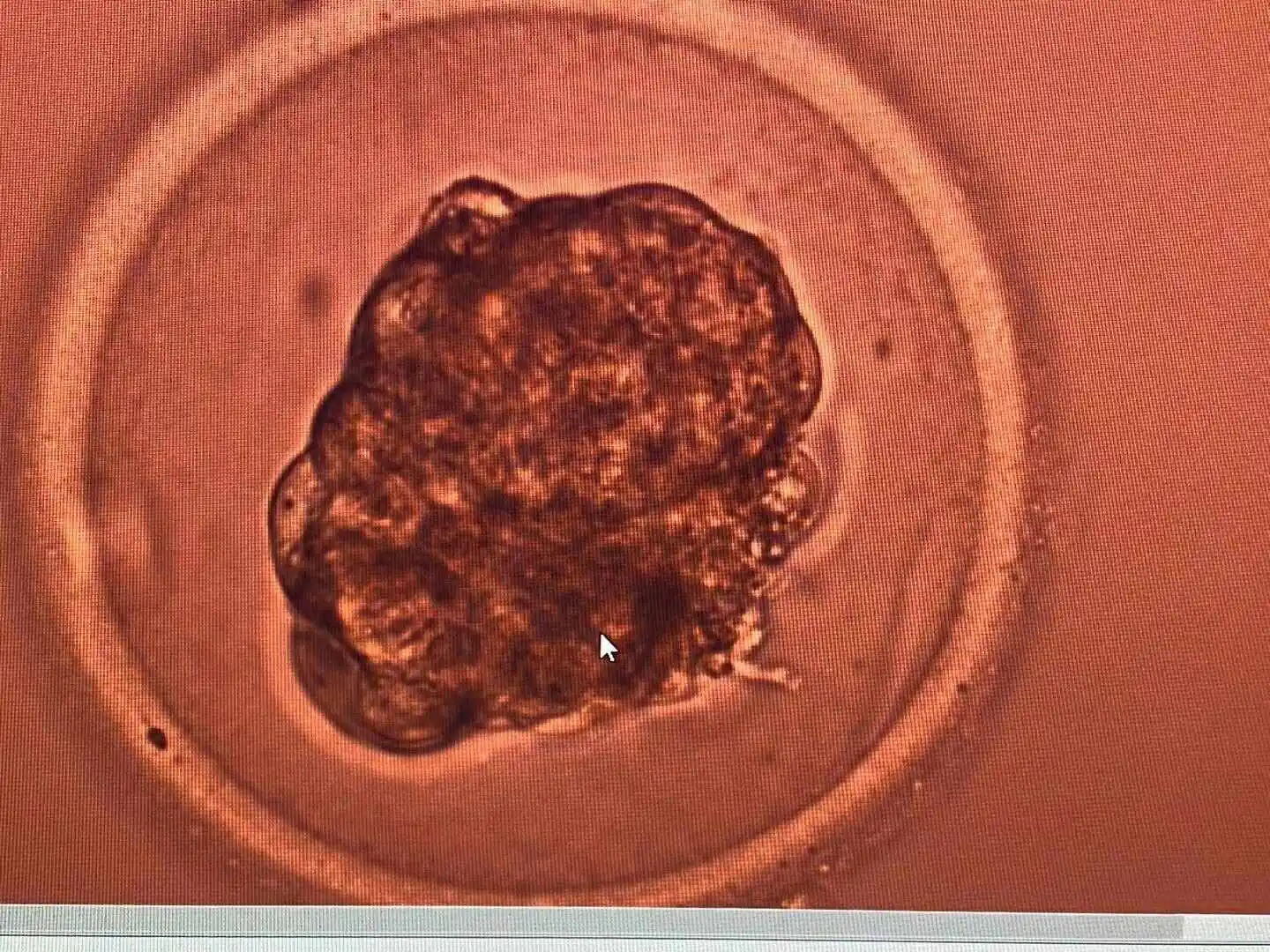
The risk is treating a hopeful embryo date as a confirmed one. Retrieval, fertilization, embryo development, testing, and storage do not always follow the first timeline.
You still need a clinic, egg donor, or sperm donor
Begin with fertility planning and education. You can still learn how matching works, but you may be too early for an active commitment.
A clinic can explain the medical path. Donor professionals can explain screening and availability. An agency can help you see when those pieces are ready enough to connect with a surrogate.
Why timing affects the surrogate too
Mei and Jordan began talking with a potential surrogate while they were choosing an egg donor. Everyone liked one another. Then the donor cycle was delayed, and embryo creation took longer than expected.
The surrogate had arranged childcare and put other family plans on hold because she believed screening would begin soon. No one had meant to mislead her. The match had simply started with a hopeful date instead of a shared readiness plan.
After a reset, they wrote down which steps were confirmed, which were estimated, and how often they would update one another. The relationship improved because uncertainty was no longer hidden.
Education, preparation, and active matching are different
| Stage | What you can do | What to avoid |
|---|---|---|
| Education | Learn the process, interview agencies, understand roles | Treating general timelines as promises |
| Preparation | Choose a clinic, build a budget, speak with attorneys, organize records | Paying nonrefundable fees without understanding readiness |
| Active matching | Review profiles, have mutual match calls, discuss real timing | Presenting an uncertain embryo plan as confirmed |
Signs you may be ready for an active match
You may be ready to discuss profiles when:
- a fertility clinic is involved and accepts gestational-carrier cases;
- your embryo status or creation plan is clear enough to explain;
- you understand what the clinic requires from a surrogate;
- your legal geography has received initial review;
- your working budget includes agency, legal, medical, insurance, escrow, compensation, and contingency categories;
- you can explain the likely next medical step without inventing a date; and
- you are prepared to communicate if the embryo plan changes.
Reasons an agency may recommend waiting
Waiting can be responsible when:
- no clinic has been selected;
- donor screening has not begun;
- treatment funding is uncertain;
- previous embryos cannot be transferred without more medical review;
- the expected timeline depends on several unconfirmed events; or
- a legal issue must be clarified before searching in certain states.
Waiting does not mean doing nothing. It means using the time to remove avoidable uncertainty.
Questions for your fertility clinic
- Are our current embryos available and suitable for possible transfer planning?
- What information about embryo number, storage, or testing may be relevant to the surrogacy team?
- What criteria do you use for gestational carriers?
- Will you review a candidate before or after a mutual match?
- Which records and tests cause the longest delays?
- If we are still creating embryos, when can we reasonably update a potential surrogate?
The clinic may not be able to promise results. It should be able to explain its process.
Questions for a surrogacy agency
- At what embryo stage do you begin active matching?
- How do you describe embryo readiness to surrogate candidates?
- What happens if treatment is delayed after a match?
- Can the surrogate pause or reconsider if the timeline changes substantially?
- How do you coordinate with our existing clinic?
- What costs begin before embryos are ready?
If you have only one embryo
One embryo may be enough for one transfer, but no agency should tell you whether that is medically sufficient for your family plan. Ask your fertility physician about the embryo, your treatment history, the chance of needing another transfer, and whether you want to create more embryos first.
Then discuss practical planning: what happens to the match if the transfer is unsuccessful? Who decides when to try again? How are expenses, timing, and emotional support handled?
Read How Many Embryos Do You Need for Surrogacy? for a deeper set of questions.
The honest answer
You can start the conversation before embryos exist. The right time to match depends on how much of your medical plan is real, how clearly uncertainty is shared, and whether both sides can make an informed decision.
Tell LittleBee whether you already have embryos, are working with a donor or clinic, or are starting from the beginning. We can help place the surrogacy steps around the medical plan you actually have.