Short answer: In a thoughtful surrogacy program, matching should be mutual. A prospective surrogate can review information, meet intended parents, ask questions, and decide whether the match feels right. Intended parents also make a choice. Neither side should be pushed to say yes.
You may not choose from an unlimited list, and no agency can promise a perfect match. But you should have a real voice in the decision. “Not this match” and “not yet” are valid answers before you make a legal commitment.
Jasmine liked the profile. The first call helped her decide.
Jasmine received a profile that looked like a good fit. The intended parents wanted regular updates, hoped to attend important appointments, and pictured staying in touch after birth. Those ideas sounded warm, but Jasmine wanted more detail.
During the match call, she asked how they handled stress, what they expected during delivery, and how often they wanted to communicate. The conversation felt respectful. She did not need every answer to be identical to hers. She needed to know that differences could be discussed without pressure.
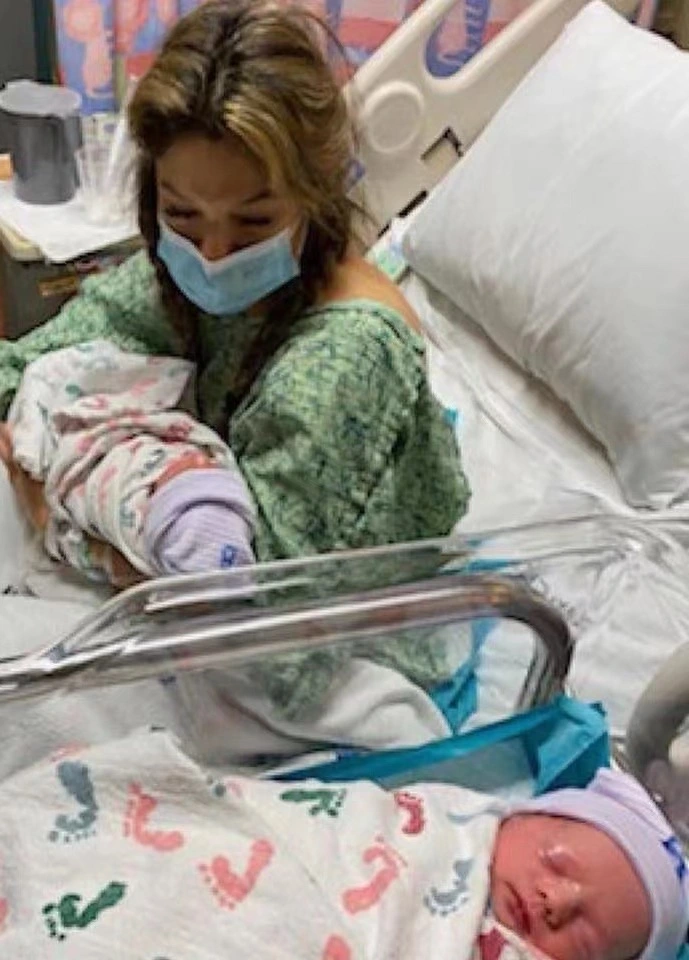
What “choosing intended parents” really means
Mutual matching is more than approving a short profile. It is a process that lets both sides learn about expectations, values, communication, and practical needs. The agency can guide the conversation, but it should not choose for you.
Before the call, tell the coordinator what matters most to you. Useful preferences may include:
- Communication style and how often you want updates or calls.
- Who may attend appointments and delivery.
- Views on privacy, photos, and social media.
- How decisions and disagreements should be discussed.
- Expectations for travel, family involvement, and support people.
- The relationship each side hopes for after birth.
- Any value or boundary that would make a match feel unsafe.
Some preferences are flexible. Others are not. Be honest about both. A coordinator cannot help with a preference you are afraid to name.
Five questions that reveal more than a profile
1. “What kind of communication would feel supportive to you?”
Ask about texts, calls, appointment updates, and quiet periods. One family may want frequent contact. Another may prefer fewer, longer conversations. The key is whether the rhythm works for both sides.
Also ask what happens when someone does not respond right away. A healthy plan allows for work, parenting, time zones, and normal life.
2. “How do you hope to be involved in appointments and delivery?”
Talk about routine visits, major scans, the embryo transfer, hospital planning, and who may be present. Clinic and hospital rules can limit some choices. Your comfort, medical care, privacy, and legal plan also matter.
A good answer leaves room for the plan to change when health or hospital policy requires it.
3. “What would we do if we disagreed or plans changed?”
You do not need to invent every crisis. Ask how the intended parents make hard decisions, how they prefer to receive difficult news, and whether they are comfortable involving the coordinator and the right professionals.
Listen for respect. “We would talk, review the medical advice, and use the agreement” is more useful than “Nothing will go wrong.”
4. “What relationship do you imagine after birth?”
Some people hope for ongoing messages and photos. Others expect contact to become less frequent. No answer guarantees what the relationship will become. The purpose is to avoid a major difference that is visible before matching.
Be clear about what you hope for and what you cannot promise. Feelings and life circumstances may change after delivery.
5. “Is there anything important you need from me that we have not discussed?”
This open question may reveal expectations about diet, travel, communication, family contact, privacy, or appointments. You can then ask whether the request belongs in a conversation, a clinic instruction, or the legal agreement.
Use three answers: yes, no, or not yet
You do not have to force every match into yes or no. “Not yet” can mean you need another call, a clearer answer, or time with your partner. Ask the coordinator what information can be shared and whether a second conversation is possible.
A “yes” may feel like
- You can ask hard questions without losing warmth.
- Differences are discussed instead of dismissed.
- Your partner or support person also understands the match.
- Communication expectations feel realistic.
- You feel calm enough to continue to legal review.
A “no” or “not yet” may feel like
- You are being rushed because the intended parents are waiting.
- A major boundary is treated as unimportant.
- You are afraid to say what you want.
- The story, expectations, or answers keep changing.
- You feel responsible for protecting other people from disappointment.
What happens after both sides agree to match?
A mutual match is an important step, but it is not the end of screening or the start of treatment. Medical, psychological, legal, insurance, and clinic requirements still need to be completed. Treatment should follow the required clearances and signed agreements.
Your own attorney should explain your contract. The fertility clinic should explain medical care. The agency coordinates the next steps and helps communication stay clear. Read the surrogate process guide for the larger sequence.
Questions women often ask
Can I decline a match without giving a long explanation?
You can say that the match does not feel right. Sharing a reason may help the coordinator understand your preferences, but you should not be pressured to accept a family to avoid disappointing someone.
Will saying no hurt my chance of matching later?
A respectful program should treat a thoughtful no as useful matching information. Repeated conflicts may lead to a conversation about expectations, but one declined match should not be used as pressure.
Can my partner join the match call?
Often, yes. A partner or support person may notice practical issues and should understand the relationship expectations. Ask the coordinator how the call is arranged.
Can I change my mind after saying yes?
Tell the coordinator immediately. The answer depends on the stage and whether legal agreements have been signed. Your own attorney should explain any legal effect. Do not stay silent because you feel embarrassed.
The right match is not the one that looks perfect on paper. It is the one where both sides can speak honestly and still feel respected.
Before a match call, read our questions to ask intended parents. To discuss your own preferences, talk with the LittleBee team.