PGT-A testing before surrogacy may help a fertility clinic rank embryos by screening for chromosome-number findings. It does not guarantee implantation, pregnancy, a healthy baby, or a successful surrogacy journey. It is also not automatically the right choice for every intended parent or every embryo group.
The useful question is not simply, “Should we test?” Ask what PGT-A could change in your specific plan, what it cannot answer, and how the clinic would handle every possible result.
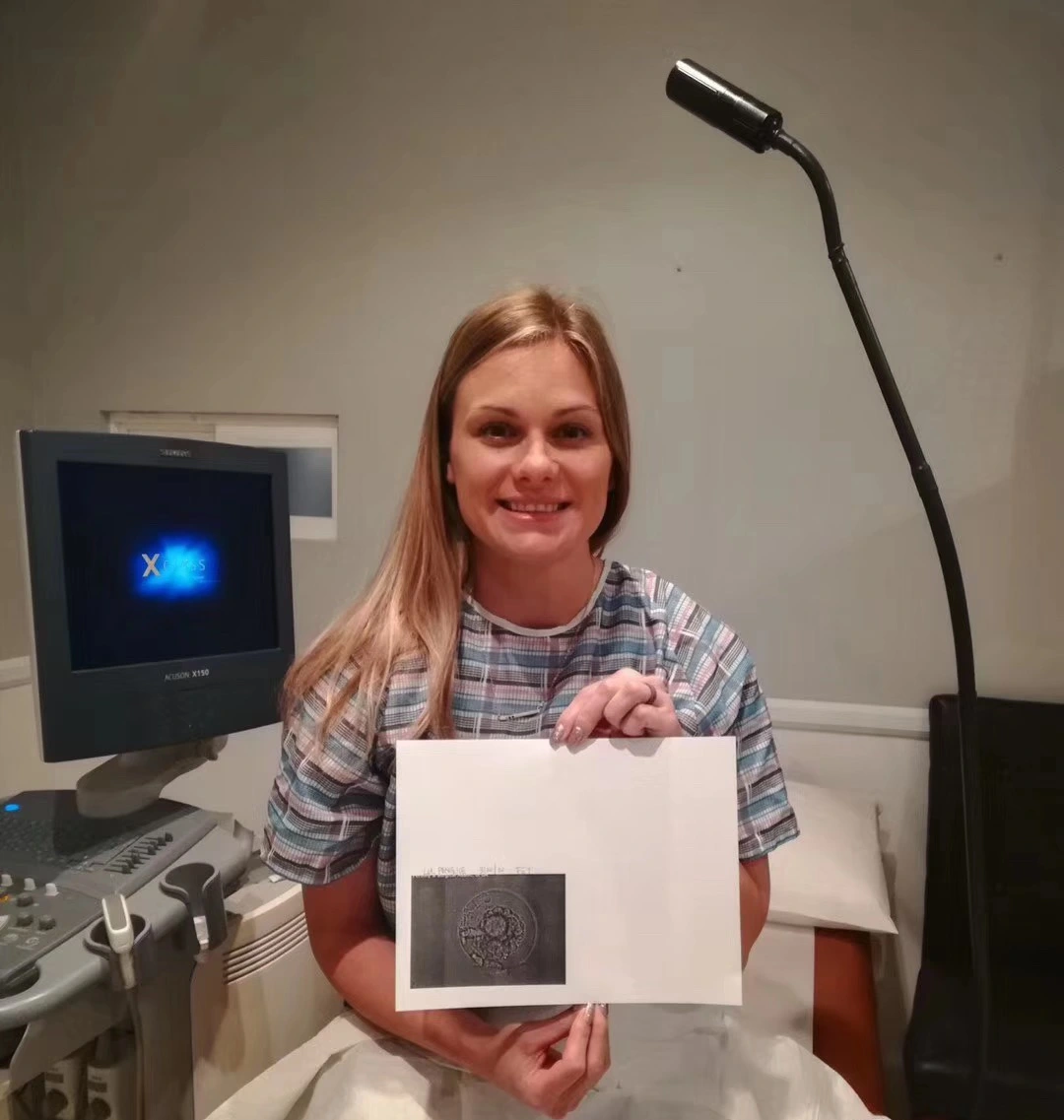
Six embryos and one complicated decision
Priya and Mateo had six frozen blastocysts before they began an active surrogate search. Their clinic offered PGT-A. They first heard the test described as a way to “find the best embryo.” That phrase sounded more certain than the consent form.
Their physician explained that PGT-A screens cells from the part of a blastocyst that can develop into the placenta. The result may be reported as euploid, aneuploid, mosaic, segmental, or no result, depending on the laboratory. It does not examine every cell. It does not test for every genetic condition.
The couple changed their decision process. They stopped looking for a promise. They asked what they would do with each possible result before authorizing the biopsy.
Understand How Many Embryos You May Need
What PGT-A is designed to screen
PGT-A stands for preimplantation genetic testing for aneuploidy. Aneuploidy means an embryo has a chromosome-number finding outside the expected range. Testing usually involves removing a small group of cells from a blastocyst and sending the sample to a genetics laboratory. The embryo is commonly frozen while results are pending.
PGT-A may give the medical team more information for transfer planning. In some patient groups, a physician may discuss possible benefits such as reducing the number of transfers involving embryos reported as aneuploid. ASRM also states that the value of PGT-A as universal screening for every IVF patient has not been demonstrated. Evidence and possible benefit can differ by age, egg source, embryo number, treatment history, and the outcome being measured.
That is why a donor-egg cycle, a cycle using eggs retrieved at an older age, and a family with one frozen embryo may lead to different conversations.
What the result cannot promise
A result reported as euploid is not a certificate of future health. ACOG notes that false-positive and false-negative results are possible. Prenatal screening or diagnostic testing should still be offered during a pregnancy according to the obstetric team’s recommendations.
PGT-A also cannot tell intended parents:
- whether an embryo will survive warming;
- whether it will implant;
- whether a pregnancy will continue;
- whether every genetic or developmental condition is absent;
- how a future child will look, learn, or develop; or
- whether one surrogate transfer will be enough.
Embryo grade and PGT-A result answer different questions. Grade is a visual assessment made by the embryology laboratory. PGT-A is a chromosome screening result from a biopsy sample. A highly graded embryo can have an aneuploid result. An embryo with a lower morphology grade can have a euploid result.
Plan for the results that need another conversation
Priya and Mateo were prepared for “normal” or “abnormal.” They were not prepared for mosaic or no-result findings.
A mosaic result suggests the tested sample included more than one cell line. Interpretation and transfer policies vary. A no-result report means the laboratory could not provide a usable conclusion from the sample. Retesting may require thawing, another biopsy, and refreezing, which creates another medical and laboratory decision.
Before testing, ask whether the clinic transfers embryos with mosaic or segmental findings, whether genetic counseling is required, and what evidence the clinic uses. Also ask whether the laboratory may update the classification of stored results as reporting standards change.
Do not decide the fate of an embryo from a portal label alone. Request counseling that addresses the exact finding, the laboratory method, and your alternatives.
Decision checklist before signing consent
Use this list with the people responsible for your care:
- Define the decision PGT-A is expected to change.
- Confirm the age and source of the eggs used to create the embryos.
- Count how many embryos are available and whether they are already frozen.
- Ask whether biopsy was completed before freezing or would require thawing.
- Review every result category the laboratory may report.
- Decide whether you want genetic counseling before and after results.
- Learn the clinic’s policy for mosaic, aneuploid, segmental, and no-result embryos.
- Separate PGT-A fees from biopsy, freezing, storage, retesting, and transfer fees.
- Confirm how results affect embryo-disposition instructions.
- Discuss prenatal screening and diagnostic options for a future pregnancy.
Questions for the clinic, laboratory, and lawyer
Ask the fertility clinic
- What benefit do you expect PGT-A to offer in our case?
- What is the reasonable alternative if we do not test?
- Would testing change which embryo you recommend transferring first?
- How do you counsel patients with one embryo or donor-egg embryos?
- What is your current policy for mosaic and no-result findings?
Ask the embryology or genetics laboratory
- Which cells are sampled, and which testing platform is used?
- Which result categories can appear on the report?
- What are the laboratory’s no-result and rebiopsy rates for cases like ours?
- Would our embryos need to be thawed, biopsied, and refrozen?
- How are amended reports or classification changes communicated?
Ask a reproductive-law attorney
- Do our consent forms say what may happen to embryos in each result category?
- Do donor agreements limit testing, disclosure, donation, or future use?
- Who has authority to make disposition decisions if intended parents later disagree, separate, or die?
Keep the professional boundaries clear
The fertility physician recommends a medical plan. The embryology and genetics laboratories perform and explain their parts of testing. A genetic counselor helps interpret uncertain or complex findings. The reproductive-law attorney explains consent and control under applicable law.
LittleBee can coordinate the surrogacy timeline around the plan these professionals provide. A surrogacy agency should not declare an embryo healthy, select an embryo, or promise that testing will produce a baby.
Plan the Frozen Embryo Transfer Timeline
Common questions
Do intended parents need PGT-A before finding a surrogate?
No universal rule requires PGT-A before matching. A clinic may have case-specific recommendations, and intended parents should give a potential surrogate accurate information about embryo status and timing. Ask when your embryo plan is ready enough for active matching.
Does a euploid PGT-A result guarantee a successful transfer?
No. It is a screening result from sampled cells. Warming, implantation, pregnancy loss, and other medical factors remain uncertain.
Is PGT-A the same as testing for a specific inherited disease?
No. PGT-A screens for chromosome-number findings. PGT-M addresses certain single-gene conditions, and PGT-SR addresses certain structural chromosome rearrangements. A physician and genetic counselor should identify the relevant test.
Priya and Mateo left the appointment without certainty, but with a decision they could explain. They knew what the test was for, what results might arrive, and who would help them interpret the report.
Discuss Your Embryo-Readiness Plan
Sources
- American Society for Reproductive Medicine: The Use of Preimplantation Genetic Testing for Aneuploidy—A Committee Opinion (2024).
- American College of Obstetricians and Gynecologists: Preimplantation Genetic Testing.
- American Society for Reproductive Medicine: Clinical Management of Mosaic Results From PGT-A of Blastocysts.