A frozen embryo transfer timeline in surrogacy often takes about 3-6 weeks from the gestational carrier’s baseline visit to the pregnancy blood test. That is a planning window, not a promise. The clinic may change medication, repeat monitoring, move the transfer, or cancel the cycle for safety or timing reasons.
Before this calendar starts, medical screening, psychological consultation, legal clearance, embryo records, and clinic approvals generally need to be complete.
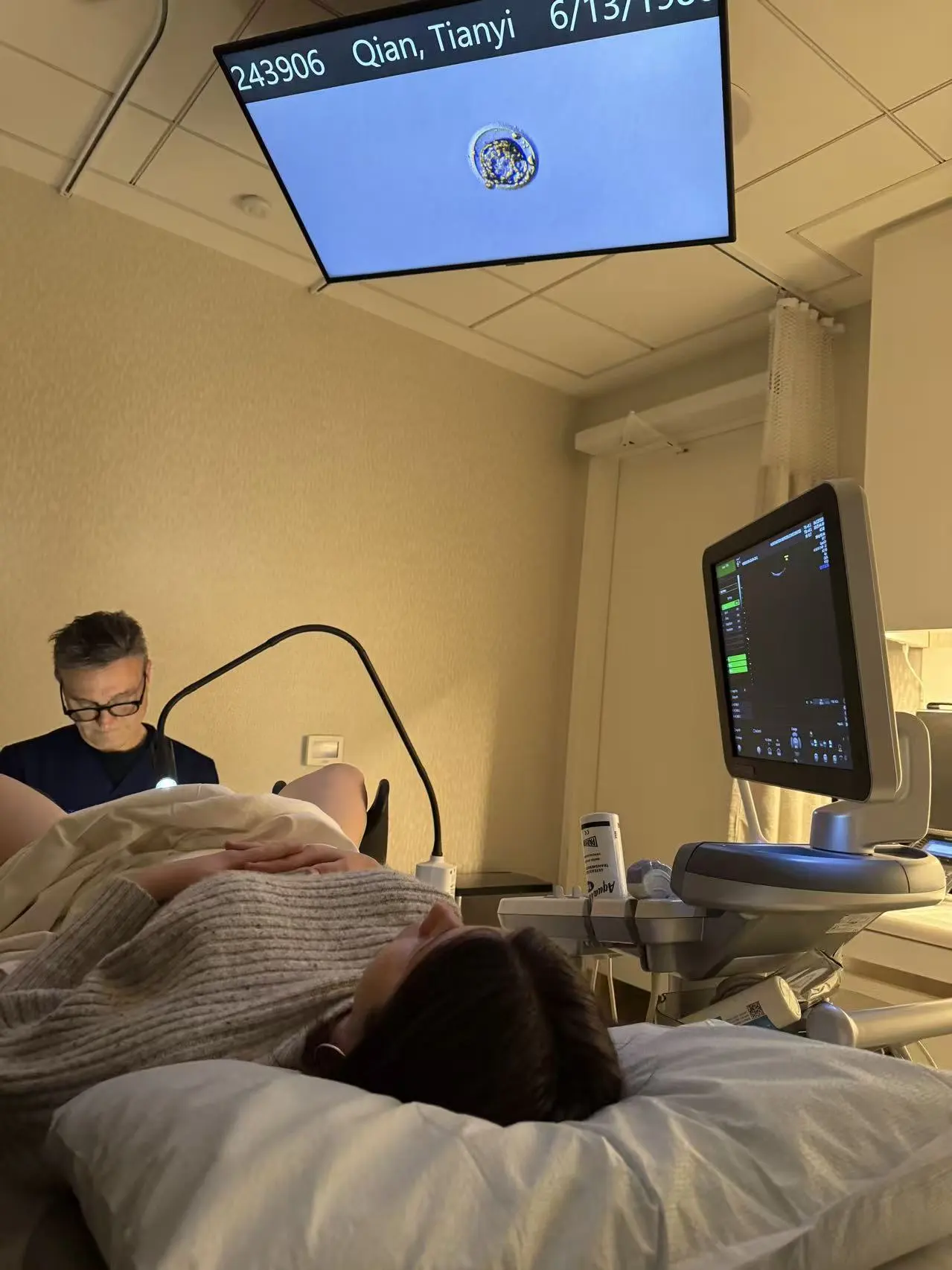
A transfer date written in pencil
Nina and James expected their gestational carrier’s transfer on a Friday. At the lining check, the clinic wanted several more days of preparation and another scan. The transfer moved to the next week.
Nothing had gone “wrong.” The clinic was using current results to decide whether and when to proceed. The family adjusted travel and work plans because they had treated the first date as provisional.
See Whether Embryos Are Needed Before Matching
Frozen embryo transfer timeline at a glance
This calendar shows one medicated-cycle example. Some clinics use a natural or modified-natural cycle based on ovulation. Exact days, drugs, tests, and thresholds vary.
| Approximate time | Clinic step | What intended parents may hear |
|---|---|---|
| Before cycle day 1 | Final clearance and calendar setup | Embryo, legal, screening, pharmacy, and consent items are ready |
| Cycle days 1-3 | Baseline visit | Ultrasound and bloodwork help the clinic decide whether preparation can begin |
| About days 2-14 | Lining preparation | Estrogen or another clinic-directed plan supports the uterine lining; some cycles use no estrogen medication |
| About days 10-16 | Monitoring | Ultrasound and bloodwork assess the lining and hormone timing; another check may be added |
| About 3-6 days before transfer | Progesterone and exact timing | The clinic coordinates progesterone exposure with the embryo’s stage and scheduled thaw |
| Transfer day | Embryo thaw and transfer | The clinic confirms the final plan and places the embryo into the uterus |
| About 9-14 days after transfer | Pregnancy blood test | A blood test checks hCG; the clinic may order a second test based on the result |
Do not start, stop, or change medication based on a sample calendar. The gestational carrier follows instructions from her fertility clinic.
Step 1: baseline and permission to start
The baseline visit usually occurs near the beginning of the cycle. The clinic may use ultrasound and bloodwork to look at the uterus, ovaries, and hormone levels. The goal is to decide whether the planned protocol can begin.
A cyst, unexpected bleeding, hormone result, medication issue, or scheduling problem may lead to another check or a new calendar. The intended parents’ role is not to interpret the result. It is to wait for the clinic’s direction and keep communication calm.
Step 2: prepare and check the lining
In a medicated cycle, the gestational carrier may use estrogen in a form selected by the clinic. SART explains that frozen transfers can use estrogen patches, pills, or injections, while some patients use no medication for this part.
The clinic then checks the endometrium, or uterine lining, with ultrasound. Bloodwork may also guide the plan. If the lining or hormone timing does not meet the clinic’s criteria, possible next steps include more medication, more time, another scan, a protocol change, or cancellation.
That uncertainty is why flight and hotel reservations should allow changes when possible.
Step 3: progesterone starts the timing clock
Progesterone timing is precise. The clinic coordinates the start time and duration with the developmental stage of the frozen embryo. A day-5 embryo, for example, may follow a different schedule from another embryo or protocol.
Follow the clinic’s written calendar. Confirm the medication name, dose, time zone, start time, and who to call after hours. If a dose is late, missed, or uncertain, the carrier should contact the clinic rather than improvise.
Plan Around the Number of Embryos Available
Step 4: transfer day
On transfer day, the laboratory prepares the selected frozen embryo and the clinic performs the transfer. Instructions may cover arrival time, bladder preparation, medication, support-person rules, and activity afterward.
The procedure date is an important milestone, but it is not a guarantee of implantation or pregnancy. An embryo may not survive thawing, a transfer may be canceled, or an embryo may be transferred without leading to an ongoing pregnancy. Ask the clinic in advance how it communicates each possibility.
ASRM’s gestational-carrier recommendations also place transfer within a larger process that includes medical evaluation, infectious-disease screening, psychoeducational work, legal counseling, and discussion of embryo-transfer decisions.
Step 5: wait for the clinic’s pregnancy test
The wait after transfer can feel longer than the rest of the calendar. Home tests can create confusion because timing and medication may affect how families interpret them. Follow the clinic’s plan for the scheduled blood test.
A first hCG result may lead to repeat bloodwork. If results support an early pregnancy, the clinic will explain the next tests and when care may move to an obstetric provider. One positive test is an encouraging step, not a guarantee of an ongoing pregnancy or live birth.
Why the clinic may change the calendar
Common reasons include:
- baseline or hormone results;
- lining development;
- ovulation timing in a natural or modified-natural cycle;
- illness or a medication problem;
- incomplete consent, legal, or laboratory records;
- embryo or thaw considerations; and
- clinic, laboratory, or travel logistics.
Ask who calls the intended parents, who calls the gestational carrier, and how time-sensitive instructions are shared. A simple communication plan prevents several people from sending conflicting messages.
Review the Full Surrogacy Process
Questions for the calendar call
- Is this a medicated, natural, or modified-natural cycle?
- Which dates are firm, and which remain estimates?
- What findings could add monitoring or cancel the cycle?
- How many days of progesterone are planned before transfer?
- When is the clinic’s pregnancy blood test?
- What costs or travel plans repeat if the cycle changes?
- Who receives results first, and who is available after hours?
LittleBee can help coordinate the people and practical steps around the medical calendar the clinic sets.