How Surrogate Matching Works for Intended Parents

See how surrogate matching works, what each side discusses and why both the surrogate and intended parents can say no.
Step-by-step explanations of the surrogacy journey, from the first consultation and screening through matching, legal and medical clearance, pregnancy, delivery, and postpartum.
See how surrogate matching works, what each side discusses and why both the surrogate and intended parents can say no.

Follow the surrogacy process from planning and matching through legal clearance, embryo transfer, pregnancy and delivery.

Learn how intended parents find, screen and match with a surrogate—and what to check before agreeing to move forward.
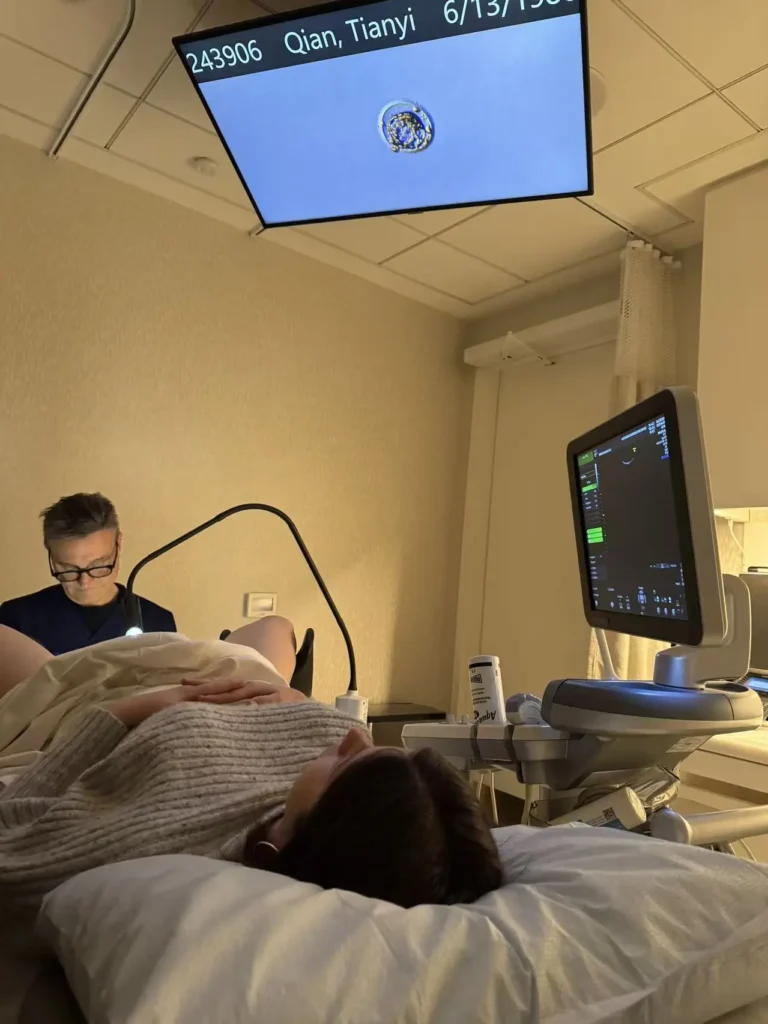
Monitoring before embryo transfer usually includes blood tests and transvaginal ultrasounds that help the clinic check hormone levels and the uterine lining. The number and timing of visits depend on the medication protocol and your results, so the calendar can…
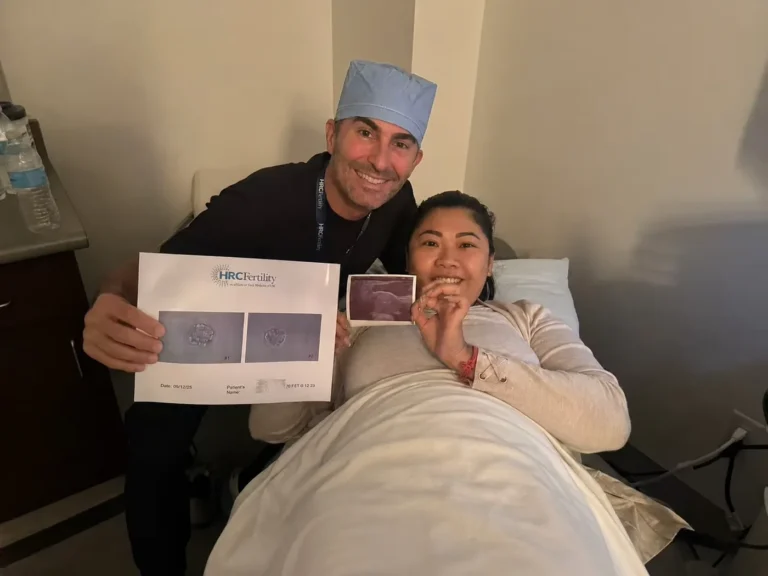
During a surrogate embryo transfer, a fertility doctor places an embryo into the uterus through a thin catheter. The procedure is usually brief, but the preparation can include weeks of medication, blood tests, ultrasounds, schedule changes, travel, and waiting. You…
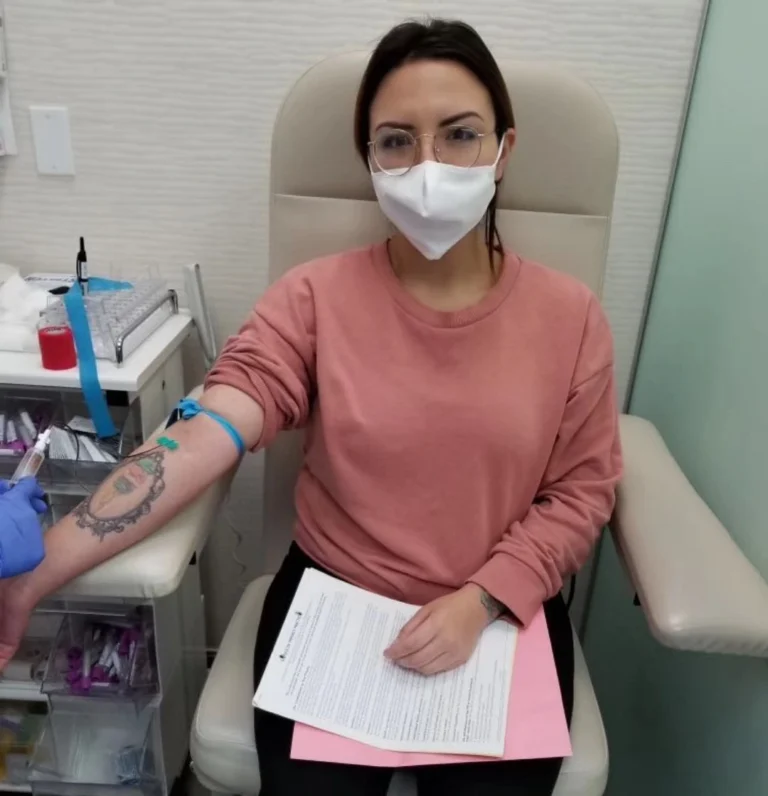
Surrogate medication plans often include estrogen and progesterone before and after embryo transfer. Some medicines may be pills, patches, vaginal products, or injections. The exact plan depends on the fertility clinic and treatment cycle. Do not copy another surrogate’s calendar.…

Surrogate medical clearance means the fertility clinic has reviewed the required records, exam, and test results and has accepted you medically for its process. It is not legal clearance, a match guarantee, or a promise that no later health issue…

Surrogate medical screening usually includes a review of your pregnancy records, a physical exam, blood and urine tests, infection screening, and an evaluation of the uterus. The exact tests depend on the clinic and your health history. Screening is not…

Your first match call is a conversation to learn whether daily expectations fit—not an interview you have to “pass.” Expect introductions, questions about communication, appointments, family life, boundaries, delivery, and the relationship after birth. You may ask for time or…

Surrogate matching is a mutual decision. The agency may introduce profiles that fit medical, legal, location, communication, and family preferences, but both the surrogate and intended parents should have enough information and time to say yes, ask more questions, or…