Your first match call is a conversation to learn whether daily expectations fit—not an interview you have to “pass.” Expect introductions, questions about communication, appointments, family life, boundaries, delivery, and the relationship after birth. You may ask for time or a second conversation before deciding.
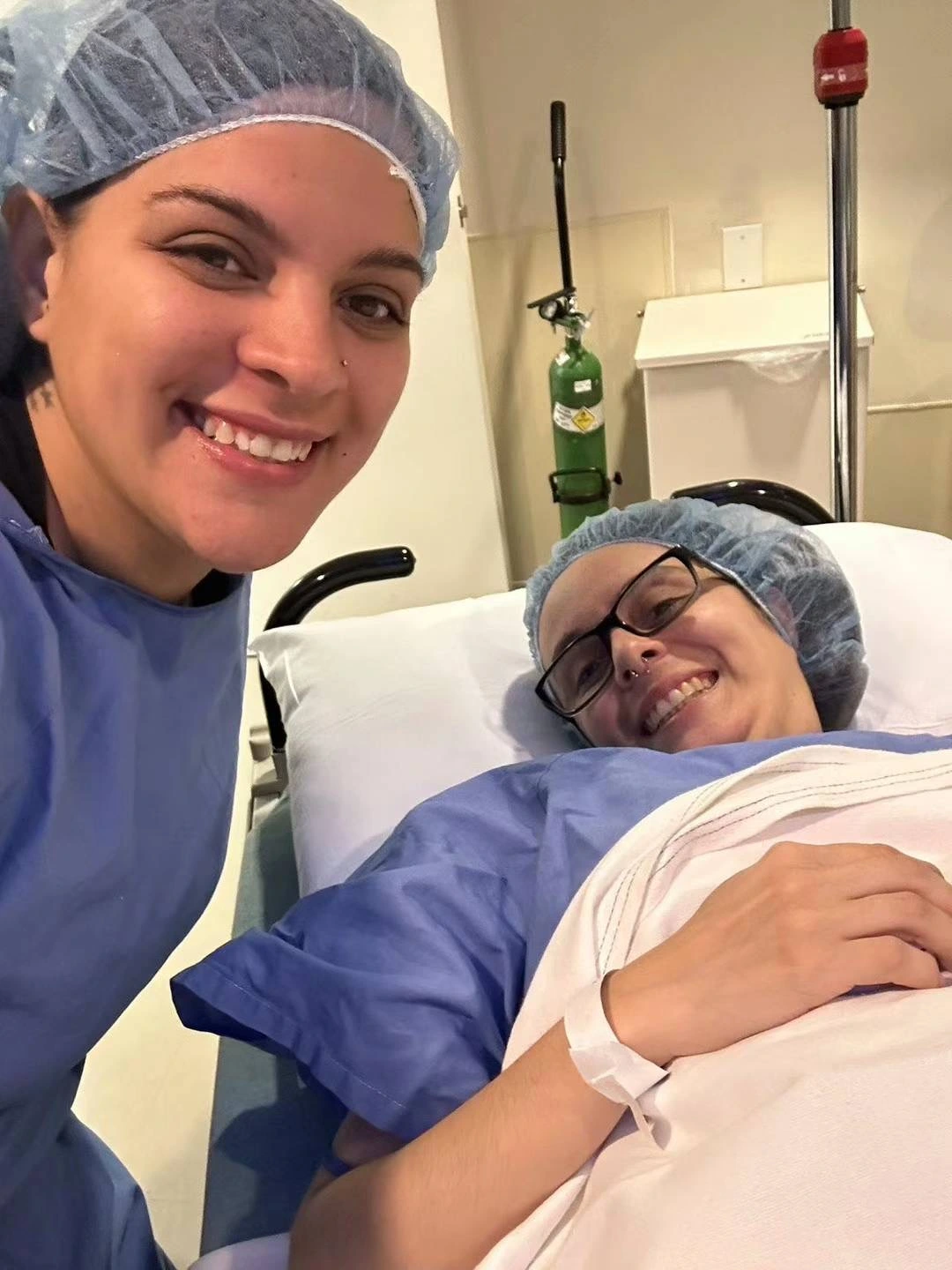
Ana prepared answers—and forgot to prepare her own questions
Ana worried the intended parents would judge her home, job, or grammar. She practiced explaining why she wanted to be a surrogate. The call began warmly, and she answered every question.
When the coordinator asked whether Ana had questions, her mind went blank. Later she remembered the issues that mattered most: school pickup, appointment privacy, and whether the intended parents expected daily photos.
They scheduled a short second call. Ana felt more confident because she was choosing too.
A simple call agenda
- Introductions: family, location, work, and what brought each person to surrogacy
- Communication: frequency, language, updates, and preferred channel
- Appointments: attendance, travel, privacy, and practical support
- Important decisions: how medical or legal questions will be handled through the right professional
- Birth and postpartum: hospital visitors, photos, recovery, and future contact
- Next steps: open questions, reflection time, and whether another call is needed
Choose five questions you truly need answered
- How often would you like to communicate during pregnancy?
- Which appointments matter most for you to attend?
- How do you respond when a medical plan changes?
- What privacy do you expect around photos and social media?
- What relationship do you hope for after delivery?
- What support do you expect from the coordinator?
- Is there an issue that would make you pause the match?
Do not read a long questionnaire without listening. Ask follow-up questions when an answer is broad. “We are flexible” becomes useful only after you ask for an example.
What you do not need to decide on the call
You do not need to settle medical treatment, legal language, compensation, insurance, or every possible pregnancy event. Those questions belong with the clinic, your independent attorney, escrow, insurance professionals, and the signed agreement.
ASRM emphasizes informed consent and independent support in gestational-carrier arrangements.1 A warm call is valuable, but it does not replace those safeguards.
How to review the call afterward
- Could they restate what mattered to you?
- Did you feel safe asking a difficult question?
- Were your children, work, and privacy treated with respect?
- Which answer needs a professional, not another opinion?
- Did anyone pressure you to decide immediately?
- What question are you still thinking about the next morning?
Common questions, answered
Will the coordinator be on the call?
Often, yes. Ask who will attend and whether the coordinator will guide the conversation or mainly listen.
What if my English is not perfect?
Ask for language support. Your ability to ask and understand important questions matters more than sounding polished.
Can I say no after a good call?
Yes, before a legal commitment. A family can be kind and still not fit your boundaries or practical life.
You are not auditioning
Ana’s second call changed the balance: she stopped trying to be chosen and started deciding whether the match worked. Read how matching works and whether a surrogate can choose intended parents.